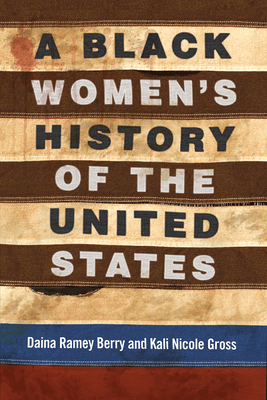
A Black Women’s History of the United States by Daina Ramey & Kali Nicole Gross
Highlights the crucial role of African American women in shaping the nation, celebrating their resilience and contributions from the earliest arrivals to modern times. By centering diverse voices—enslaved women, activists, artists, and more—the book examines the complexities of Black womanhood and underscores their enduring fight against systemic racism and sexism. This empowering history invites readers to honor the beauty, strength, and spirit of Black women across generations.
Black AF History: The Un-Whitewashed Story of America by Michael Harriot
Delivers a sharp, hilarious, and thoroughly researched retelling of American history that centers the experiences of Black Americans. Challenging the whitewashed myths of traditional narratives, Harriot uncovers overlooked stories and truths, combining wit and scholarship to highlight the indispensable role of Black people in shaping the nation’s past. This provocative and necessary corrective reframes history with Black perspectives at the forefront.

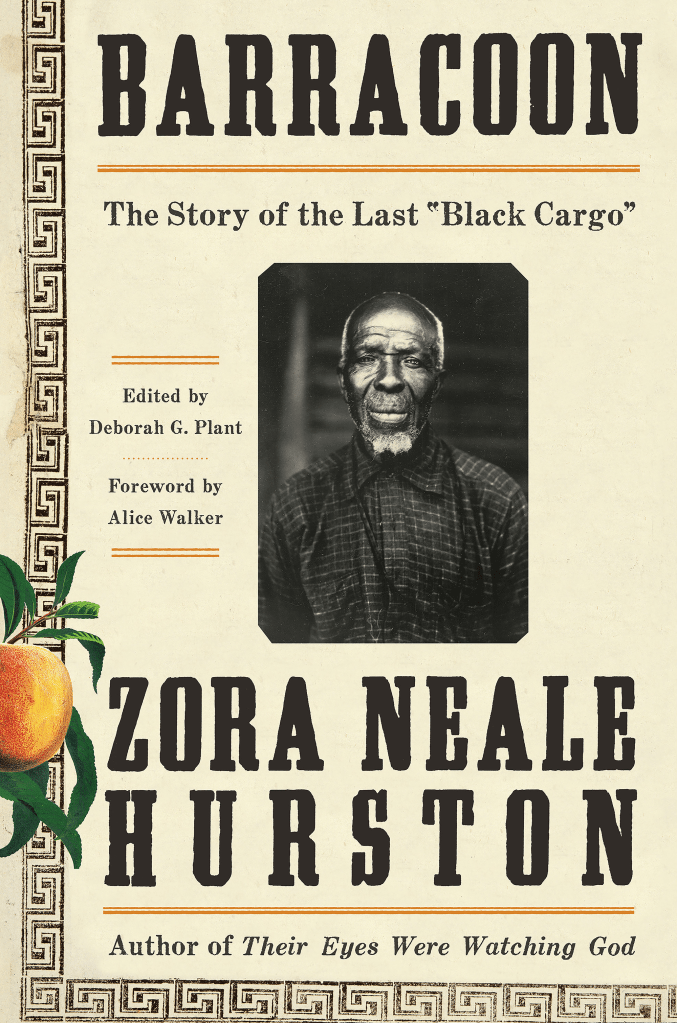
Barracoon by Zora Neale Hurston
Shares the poignant firsthand account of Cudjo Lewis, the last survivor of the transatlantic slave trade. Based on extensive interviews in 1927 and 1931, Hurston captures Cudjo’s memories of his childhood in Africa, his capture, the harrowing Middle Passage, and his life in slavery and freedom. Written with compassion and Cudjo’s unique voice, this powerful work highlights the enduring legacy of slavery and its impact on American history and culture.
The Autobiography of Malcolm X
Recounts Malcolm X’s transformation from a troubled youth to a Muslim minister and one of the most influential figures of the 20th century. This riveting narrative explores his journey from anger and oppression to spiritual awakening and a recognition of universal brotherhood. Hailed as a modern classic, the book continues to inspire with its powerful ideas and enduring legacy.


The Souls of Black Folk by W.E.B. Du Bois
A foundational work in Black protest literature, challenging the accommodationist approach of Booker T. Washington and advocating for the inherent rights and dignity of all people. First published in 1903, this collection of essays became a pivotal force in shaping early 20th-century Black resistance and civil rights strategies. Its profound influence and timeless insights make it essential reading for understanding African-American history and the fight for equality.
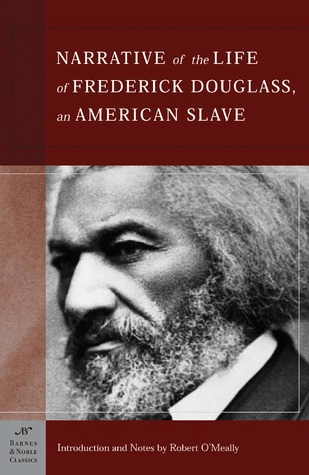
Narrative of the Life of Frederick Douglass
Recounts his journey from slavery to freedom, including the brutal conditions of his youth, his self-education, and his daring escape. Published in 1845, this powerful autobiography showcases Douglass’s eloquence and determination, tracing his rise as a leading orator, activist, and voice for civil rights. His story remains a timeless testament to resilience and the fight for justice.

The Immortal Life of Henrietta Lacks by Rebecca Skloot
Tells the story of Henrietta Lacks, a poor tobacco farmer whose cells, taken without her knowledge in the 1950s, became the first “immortal” human cells and revolutionized medicine. While HeLa cells led to groundbreaking scientific advances, her family remained unaware for decades and received no benefits, raising ethical questions about consent and exploitation. Skloot weaves together the Lacks family’s struggles, the history of medical research, and the lasting legacy of Henrietta’s “immortal” cells in this compelling and deeply human narrative.
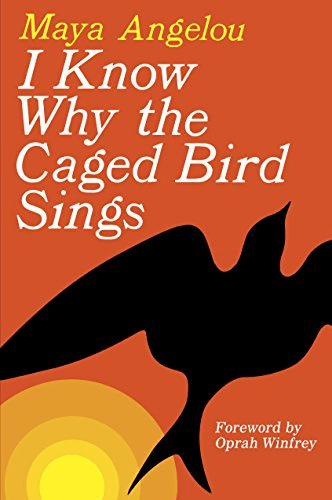
I Know Why the Caged Bird Sings by Maya Angelou
A deeply moving memoir that chronicles her journey through childhood loneliness, racism, and trauma, ultimately finding strength in self-love, kindness, and literature. From her early years in the South to her growth in San Francisco, Angelou’s poetic narrative captures both the pain and beauty of her experiences. A modern classic, this book continues to inspire and transform readers worldwide.
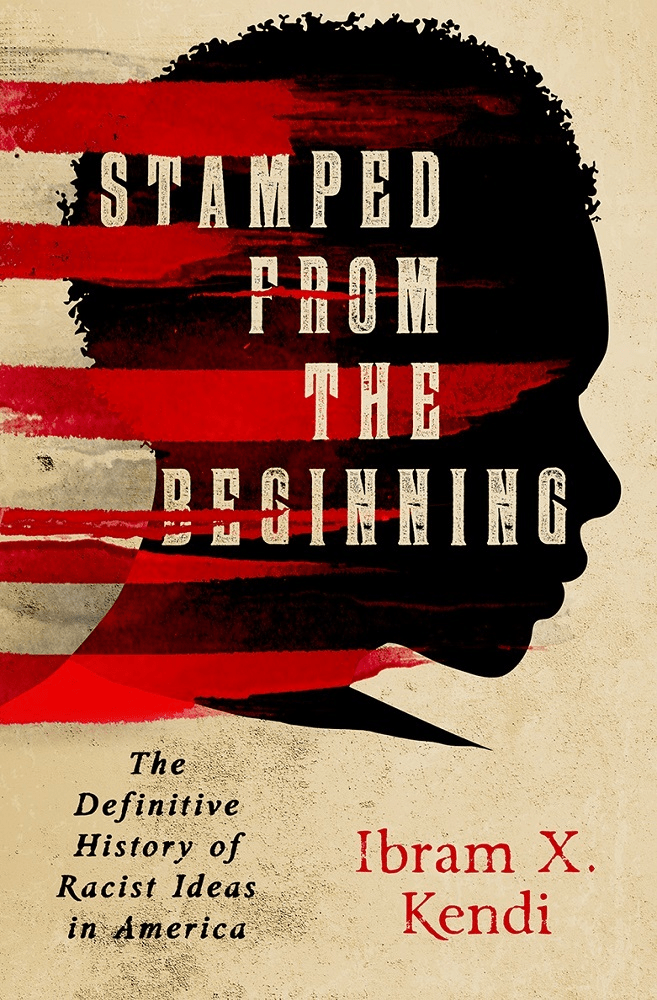
Stamped from the Beginning by Ibram X. Kendi
Traces the history of anti-Black racist ideas in America, exploring their origins, impact, and evolution through the lives of five key figures, from Cotton Mather to Angela Davis. Kendi reveals how these ideas were crafted to justify systemic inequities and discriminatory policies, rather than stemming from ignorance. This deeply researched narrative not only exposes the roots of racism but also provides tools to challenge and dismantle it, offering hope for a more equitable future.
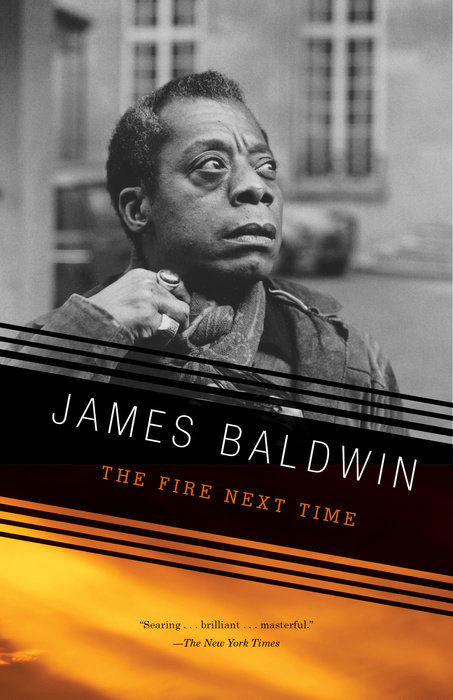
The Fire Next Time by James Baldwin
A powerful examination of racial injustice and its enduring legacy in America, blending personal reflection and social critique. Comprising two “letters,” Baldwin addresses the centennial of the Emancipation Proclamation with a call for Black and white Americans to confront racism and work toward justice. Hailed for its eloquence and urgency, this 1963 bestseller remains a timeless classic of American literature.

The Color of Law: A Forgotten History of How Our Government Segregated America by Richard Rothstein
Richard Rothstein dismantles the myth of de facto segregation, revealing that America’s racially divided cities were shaped by de jure segregation—laws and government policies that actively promoted racial discrimination. Through extensive research, Rothstein uncovers the history of racially restrictive zoning, the creation of segregated public housing, and the federal government’s role in suburbanization that excluded Black families. This groundbreaking work highlights how these policies contributed to ongoing racial inequality and unrest, urging a national reckoning to address the legacy of institutionalized racism.
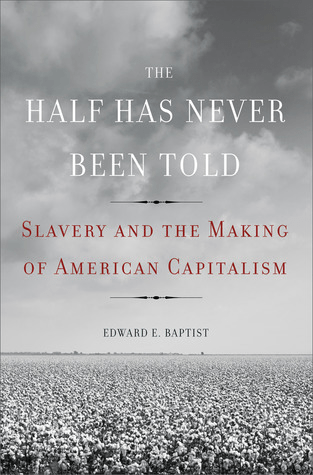
The Half Has Never Been Told: Slavery and the Making of American Capitalism by Edward E. Baptist
Historian Edward Baptist argues that slavery was not a pre-modern institution but a driving force behind America’s economic rise and modernization. By exploring how the expansion of slavery fueled the growth of a capitalist economy, particularly through the cotton industry, Baptist reveals how innovations in slavery shaped the nation’s global power. Through personal narratives and historical records, this book offers a radical new understanding of American history, challenging readers to confront the violence at the heart of the nation’s success and the resistance that led to the abolition of slavery.
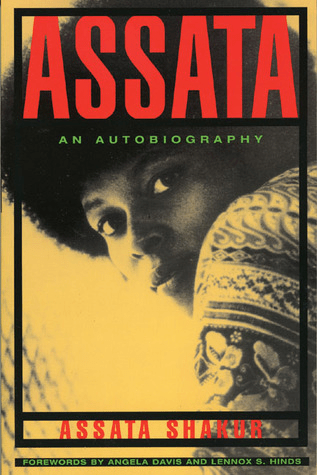
Assata: An Autobiography by Assata Shakur
In her powerful autobiography, Assata Shakur (JoAnne Chesimard) recounts her journey from a young woman experiencing the harsh realities of Black life in America to becoming a prominent activist and member of the Black Panther Party. Shakur offers a personal account of her wrongful conviction for the 1973 New Jersey Turnpike shootout and the political repression she faced under J. Edgar Hoover’s FBI. Her story challenges media portrayals, shedding light on the complexities of activism, resistance, and survival, and has earned a place alongside the works of Malcolm X and Maya Angelou.
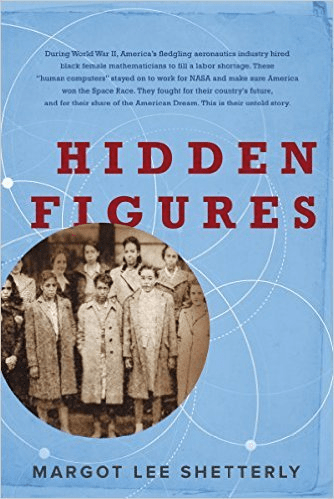
Hidden Figures by Margot Lee Shetterly
The untold story of the African-American women mathematicians at NASA who played a crucial role in America’s space program during the Civil Rights era. Working as “Human Computers,” these talented women calculated the flight paths that made the Space Race and the moon landing possible, despite facing segregation and discrimination. The book weaves together their personal journeys with the broader history of the Cold War, civil rights, and the women’s rights movement, highlighting their lasting impact on space exploration and society.
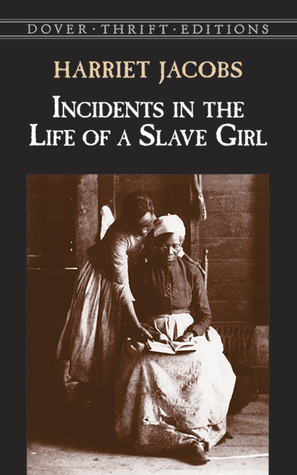
Incidents in the Life of a Slave Girl by Harriet Ann Jacobs
Jacobs’ powerful autobiographical account of her struggle for self-identity, freedom, and family. Written in 1861, it details her life as a slave in North Carolina, her harrowing experiences with a predatory master, and her eventual escape after years of hardship. Jacobs’ narrative not only exposes the cruelty of slavery but also highlights her resilience and determination to reunite with her children, offering both a personal and historical perspective on the fight for liberty.
The 1619 Project: A New Origin Story by Nikole Hannah-Jones
Expands on The New York Times Magazine’s groundbreaking project, centering slavery and its legacy in American history. Through eighteen essays and numerous poems and works of fiction, the book explores how the system of chattel slavery, beginning with the arrival of enslaved Africans in Virginia in 1619, shaped every aspect of modern American society, from politics to culture. The work highlights the ongoing impact of this legacy, examines the struggles for justice, and offers insights into reparative solutions, providing a new narrative that explains the roots of inequality and racism in America.


Twelve Years a Slave by Solomon Northrup
Solomon Northup recounts his harrowing experience of being kidnapped and sold into slavery in Louisiana, enduring brutality under a sadistic plantation owner until a Canadian abolitionist secured his freedom. Recognized as an accurate eyewitness account of slavery’s daily realities, this memoir remains a significant and unforgettable historical reference. AmazonClassics offers this timeless work, inviting readers to explore its profound impact.
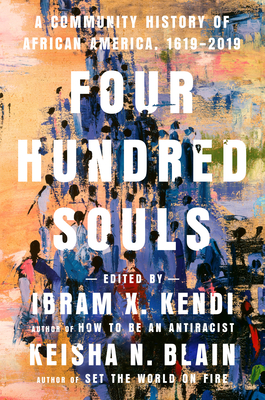
Four Hundred Souls: A Community History of African America, 1619-2019 by Ibram X. Kendi
Chronicles 400 years of Black American history through 90 leading Black voices. Beginning in 1619 with the arrival of enslaved Ndongo people, this powerful collection explores slavery, resistance, segregation, and cultural triumphs in 80 chronological chapters. It redefines America’s narrative by reclaiming lost stories and showcasing extraordinary lives with profound depth and beauty.
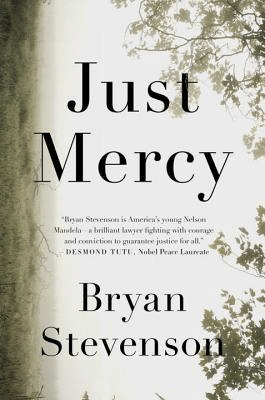
Just Mercy by Bryan Stevenson
A powerful memoir about his work founding the Equal Justice Initiative, a nonprofit dedicated to defending the poor, incarcerated, and wrongly condemned. Through cases like that of Walter McMillian, a Black man wrongly sentenced to death, Stevenson exposes systemic racial injustice and the flaws of mass incarceration. This inspiring book is both a call for reform and a testament to the power of mercy.
Up from Slavery by Booker T. Washington
Washington’s inspiring autobiography, chronicling his journey from slavery to becoming a national leader, educator, and founder of the Tuskegee Industrial Institute. The book offers insight into his thoughts and efforts to uplift African Americans during the post-Reconstruction era. It remains a source of inspiration for all Americans.

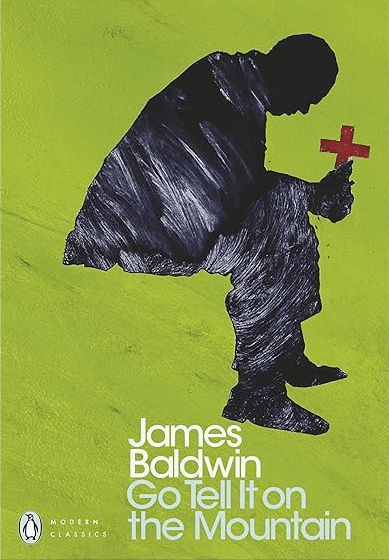
Go Tell It on the Mountain by James Baldwin
Baldwin’s semi-autobiographical debut novel, exploring a 14-year-old boy’s spiritual, sexual, and moral struggles in 1935 Harlem. With lyrical precision and symbolic power, Baldwin examines identity and self-discovery, reshaping how Americans understand themselves. This 1953 classic remains a cornerstone of American literature.
On Juneteenth by Annette Gordon-Reed
Blends American history, personal memoir, and family narrative to explore the origins of Juneteenth and the experiences of African Americans in Texas. A Texas native and descendant of enslaved people, Gordon-Reed examines the integral role of Black Texans from the early 1820s through the end of legalized slavery in 1865. This eloquent and concise work revises traditional Texas and U.S. history, offering a vital perspective on the enduring fight for equality.

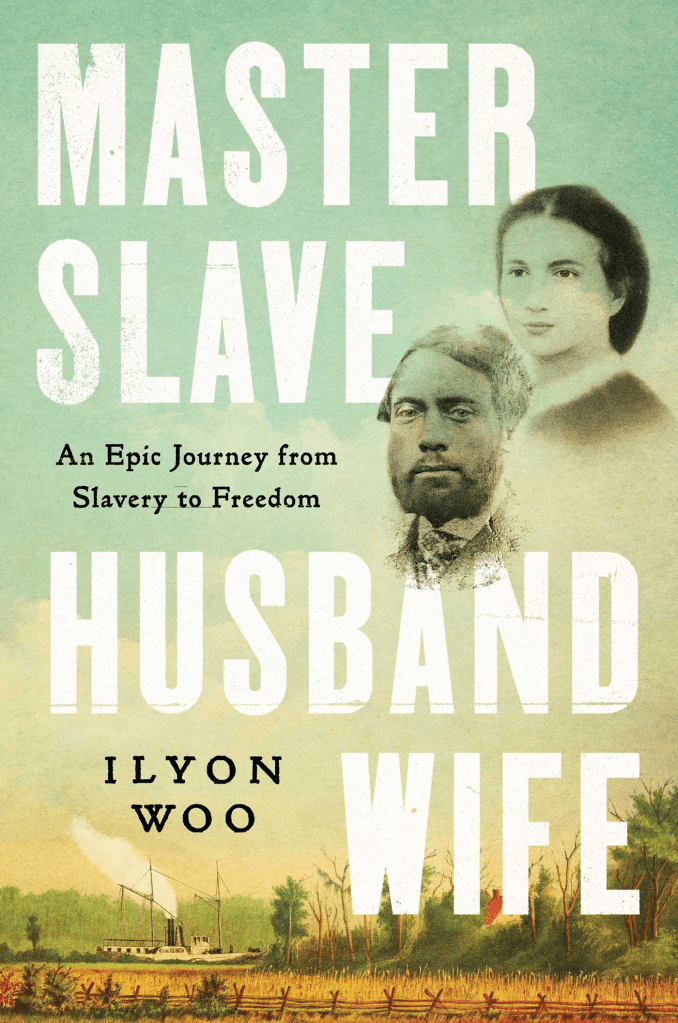
Master Slave Husband Wife: An Epic Journey from Slavery to Freedom by Ilyon Woo
The extraordinary true story of Ellen and William Craft, an enslaved couple who escaped to freedom in 1848 through courage, ingenuity, and disguise—Ellen posing as a wealthy White man and William as “his” slave. Their daring 1,000-mile journey from Georgia to the North made them abolitionist icons, though the Fugitive Slave Act of 1850 forced them to flee the country. This powerful American love story highlights their fight for freedom and justice, challenging the nation’s ideals then and now.
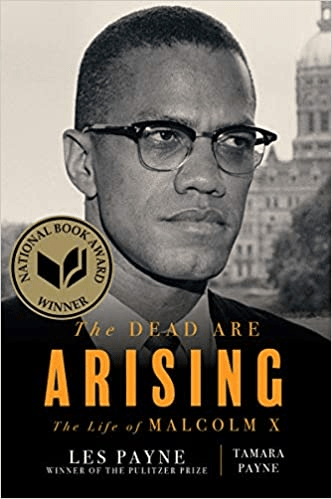
The Dead Are Arising: The Life of Malcolm X by Les Payne
A groundbreaking biography of Malcolm X. Based on decades of interviews with those who knew him, it provides a vivid and detailed portrait of Malcolm’s life—from his Depression-era youth and petty crimes to his religious awakening, leadership in the Nation of Islam, and assassination in 1965. This riveting work corrects historical inaccuracies, uncovers new revelations, and reaffirms Malcolm X’s vital role in the African American freedom struggle.
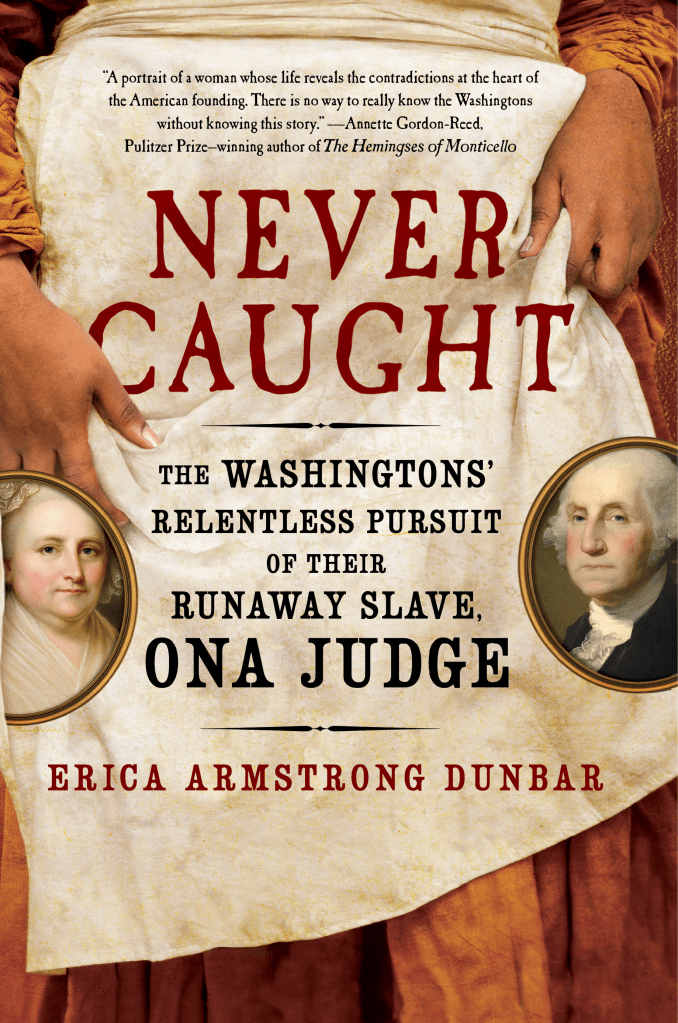
Never Caught: The Washingtons’ Relentless Pursuit of Their Runaway Slave, Ona Judge by Erica Armstrong Dunbar
The compelling story of Ona Judge, an enslaved woman who escaped from George and Martha Washington’s household to seek freedom in New England. Despite living a life of relative comfort, Ona risked everything to flee, becoming the target of an intense manhunt orchestrated by Washington himself. Meticulously researched, this narrative sheds light on a lesser-known chapter of American history and the courage of one woman in her pursuit of liberty.
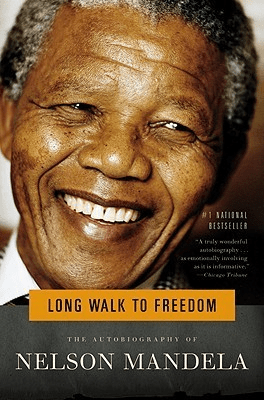
Long Walk to Freedom by Nelson Mandela
Mandela’s autobiography recounts his extraordinary journey from a traditional tribal upbringing to becoming a global icon in the fight against apartheid. Detailing his political awakening, leadership in the ANC, and 27 years of imprisonment, Mandela shares his struggles, sacrifices, and the delicate negotiations that ended apartheid and brought multiracial democracy to South Africa. This inspiring narrative highlights his unwavering dedication to justice, equality, and human rights.
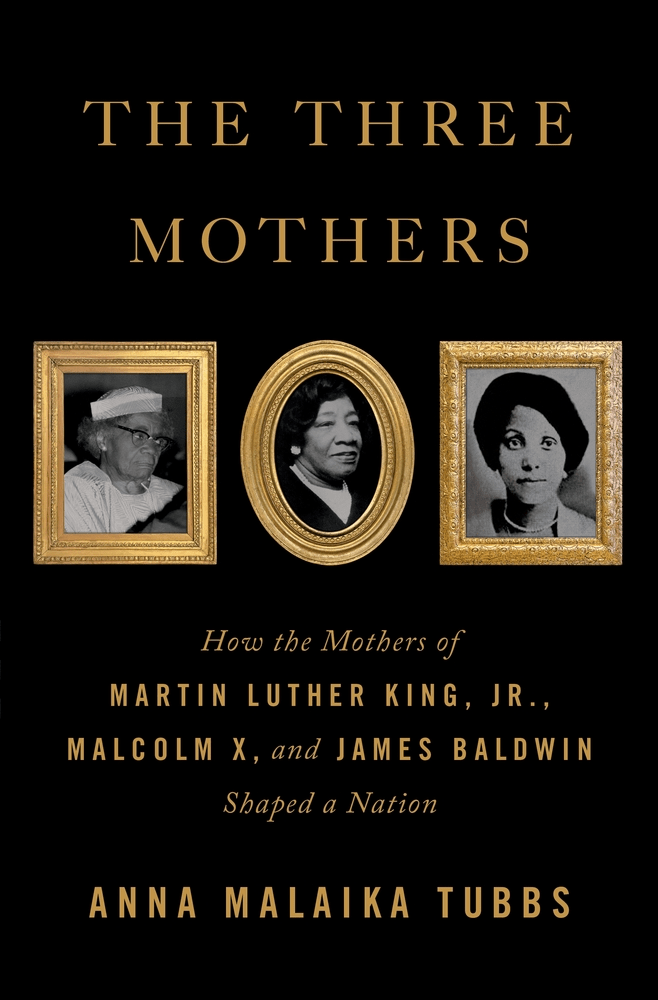
The Three Mothers: How the Mothers of Martin Luther King, Jr., Malcolm X, and James Baldwin Shaped a Nation by Anna Malaika Tubbs
Honors the lives and legacies of Berdis Baldwin, Alberta King, and Louise Little, the mothers who shaped three of America’s most influential figures: James Baldwin, Martin Luther King Jr., and Malcolm X. Tubbs illuminates the untold stories of these extraordinary women, who, despite facing the harsh realities of Jim Crow, instilled values of resistance, dignity, and social justice in their children. This powerful work celebrates Black motherhood and the pivotal role these women played in the fight for equality.
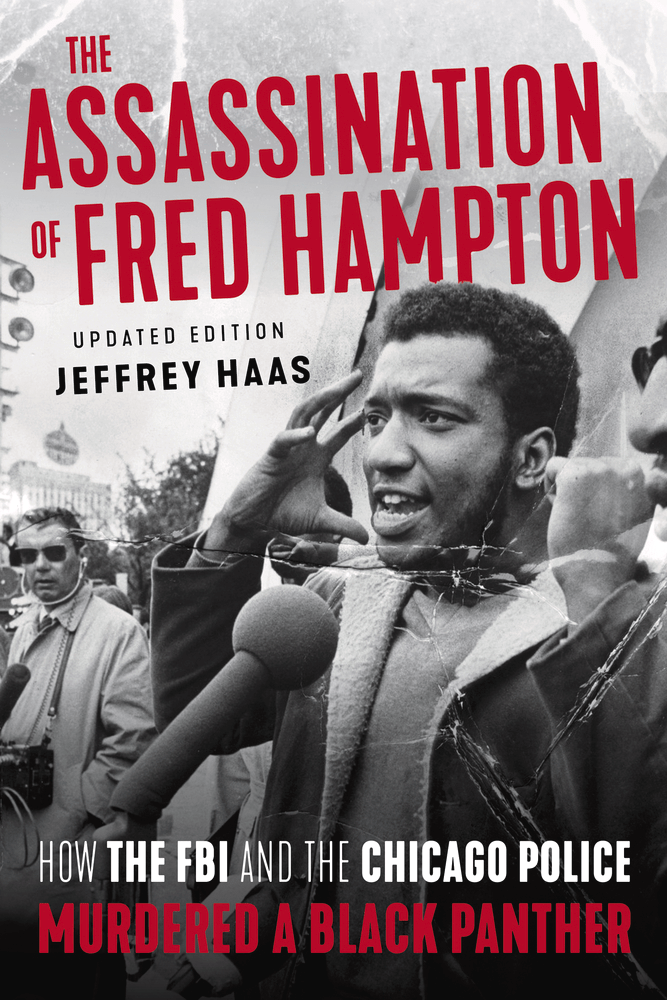
The Assassination of Fred Hampton: How the FBI and the Chicago Police Murdered a Black Panther by Jeffrey Haas
Recounts the tragic death of Black Panther leader Fred Hampton in 1969 and the legal battle to hold those responsible accountable. Haas, a lawyer involved in the case, details how he and his team fought against government resources and FBI conspiracy to expose the truth. Fifty years later, Haas reflects on Hampton’s lasting legacy as a revolutionary leader and the ongoing struggle for justice and against police brutality.

Overground Railroad: The Green Book and the Roots of Black Travel in America by Candacy A Taylor
Explores the historical significance and enduring impact of the Green Book, a travel guide for Black motorists published from 1936 to 1966. In an era of widespread segregation, the Green Book provided crucial information on safe places for Black travelers to eat, sleep, and refuel. This book honors the courage of those who were listed and fought against racial discrimination, while also reflecting on the ongoing challenges in race relations in America.
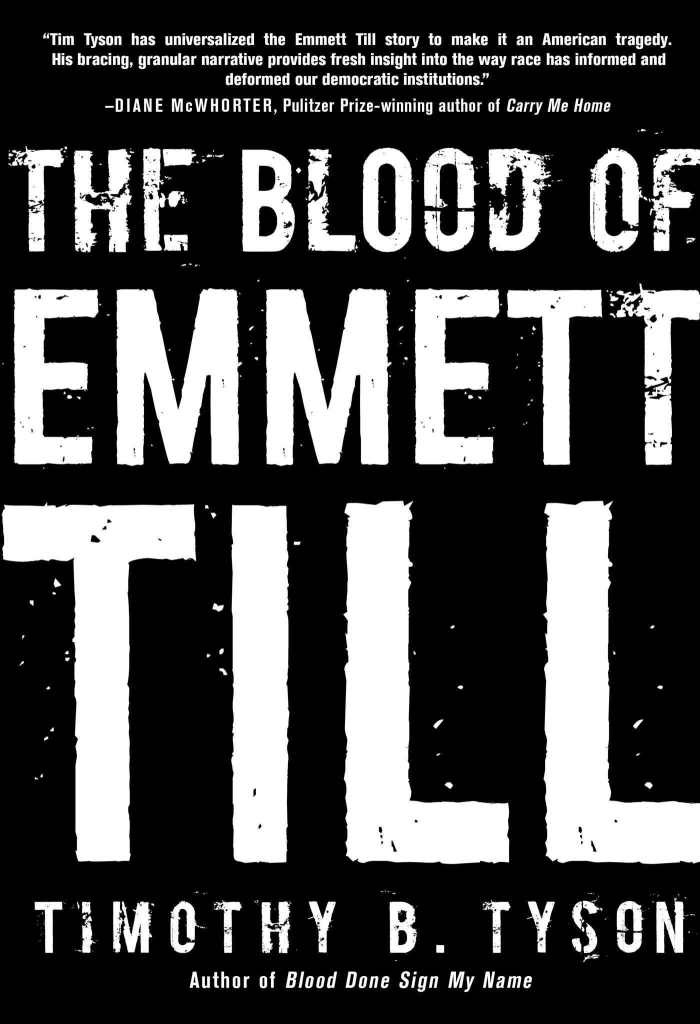
The Blood of Emmett Till by Timothy B Tyson
Examines the 1955 lynching of fourteen-year-old Emmett Till, a pivotal moment that galvanized the Civil Rights Movement. This book delves into the details of Till’s life and death, exploring new evidence, including a confession of his innocence from the woman whose false accusation led to his murder. Part detective story, part political history, it sheds light on the deep racial injustices that shaped American democracy.
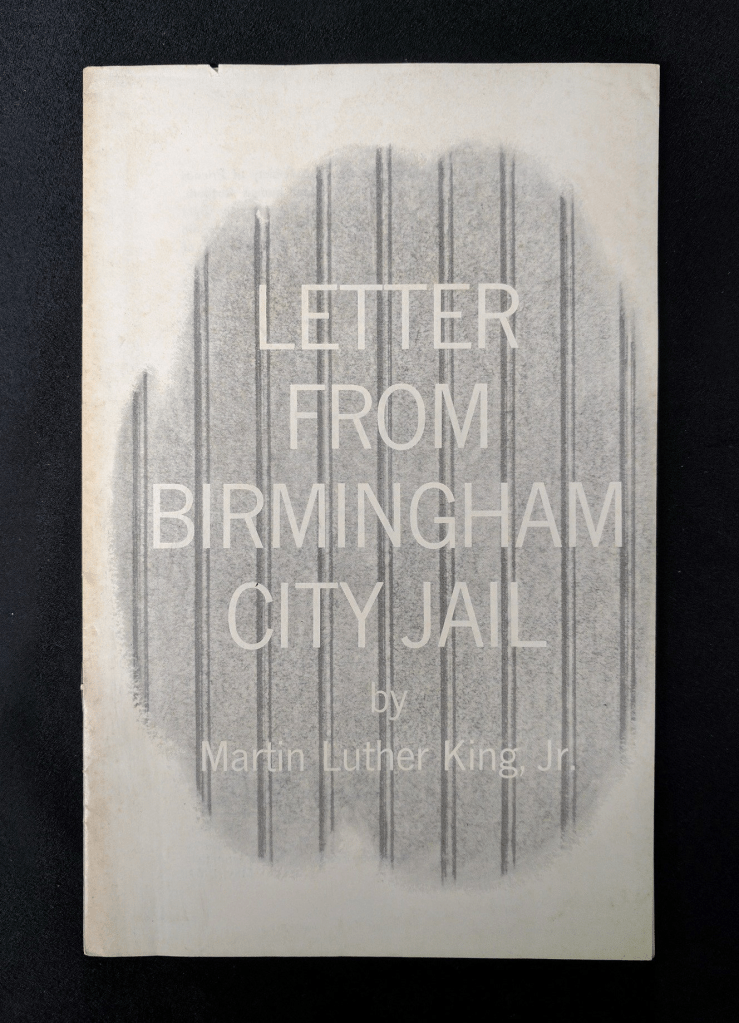
Letter from the Birmingham Jail by Martin Luther King Jr.
Martin Luther King Jr.’s powerful response to clergymen who criticized his nonviolent resistance in 1963. Written while King was incarcerated for participating in civil rights protests, the letter defends the urgency of direct action against racial injustice and calls for an end to social discrimination. This iconic work continues to resonate today as a compelling plea for equality and justice.
Why We Can’t Wait by Martin Luther King Jr
Explores the pivotal events of the Civil Rights Movement, focusing on the 1963 Birmingham campaign and its global impact. King reflects on the historical struggle for racial equality and the power of nonviolent resistance, offering a deep analysis of the forces driving the movement and the work still to be done. This classic, which includes his famous Letter from Birmingham Jail, remains a powerful testament to his vision for justice and equality.


The Sword and the Shield: The Revolutionary Lives of Malcolm X and Martin Luther King Jr by Peniel E. Joseph
A dual biography of Malcolm X and Martin Luther King Jr., challenging the traditional views of these two iconic leaders. While often seen as embodying opposing ideals—nonviolence versus self-defense, civil rights versus black power—Joseph reveals the ways in which they influenced and pushed each other throughout their lives. This revisionist work provides a deeper understanding of their roles in the struggle for black freedom and the broader Civil Rights Movement.
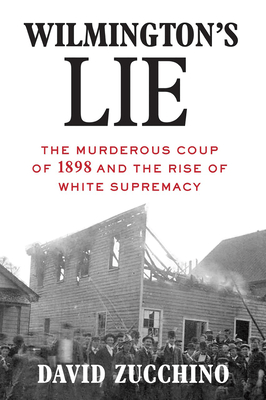
Wilmington’s Lie: The Murderous Coup of 1898 and the Rise of White Supremacy by David Zucchino
Details the 1898 Wilmington riot and coup, where white supremacists violently overthrew the city’s multiracial government. After a provocative editorial by a black newspaper editor, a mob of 2,000 armed men killed dozens of African Americans and forced officials to resign, solidifying white rule. Zucchino’s account uncovers this largely forgotten but pivotal moment in American history.

Wake: The Hidden History of Women-Led Slave Revolts by Rebecca Hall
A graphic novel and memoir that uncovers the forgotten history of women-led slave revolts. Through in-depth research and personal reflection, Hall reveals the stories of women warriors who fought against enslavement during the Middle Passage and throughout the Americas, a history long erased from the record. This powerful narrative blends historical investigation with vivid illustrations, shedding light on a lost legacy and its lasting impact.
The Burning: Massacre, Destruction, and the Tulsa Race Riot of 1921 by Tim Madigan
A definitive account of the 1921 Tulsa Race Massacre, one of America’s most horrific racial atrocities. The book details the destruction of Greenwood, a prosperous Black community in Tulsa, Oklahoma, by a white mob, and the subsequent silence surrounding the event. Now, 100 years later, Madigan’s reissue explores the massacre within the broader context of systemic racism and its ongoing legacy in America, offering a vital reckoning for the nation’s racial past.


The Interesting Narrative of the Life of Olauda Equiano
The autobiographical account of Olaudah Equiano, a former slave who recounts his harrowing experience from kidnapping and enslavement to eventual freedom. Published in 1789, Equiano’s narrative was the first widely-read slave account, highlighting his time as a sailor and the significance of his religious education, while also offering a unique perspective on slavery across the Americas. This work became a foundational text for future slave narratives.
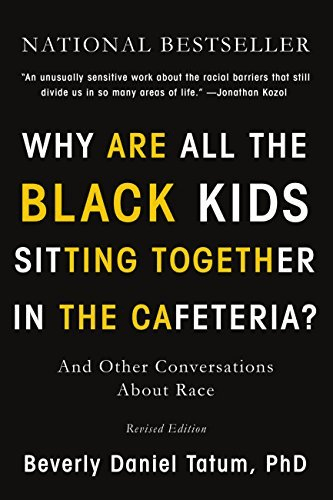
Why Are All the Black Kids Sitting Together in the Cafeteria? by Beverly Daniel Tatum
Explores the psychology of racism, examining how racial identities shape our social interactions. Tatum argues that addressing these identities openly is crucial for fostering communication across racial divides. This revised edition offers essential insights into the dynamics of race in America, making it a vital read for anyone seeking to understand these complex issues.
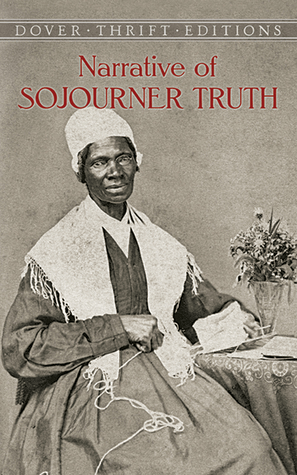
The Narrative of Sojourner Truth
The powerful account of Sojourner Truth, born into slavery in 1797, who escaped bondage and became a prominent figure in the antislavery and women’s rights movements. This 1850 memoir provides a rare look into Northern slavery and Truth’s life as a preacher and social reformer, offering inspiring insights into her devotion to equality. Known for her spellbinding speeches, Truth’s narrative is an essential work for understanding the ongoing fight for racial and sexual equality in American history.
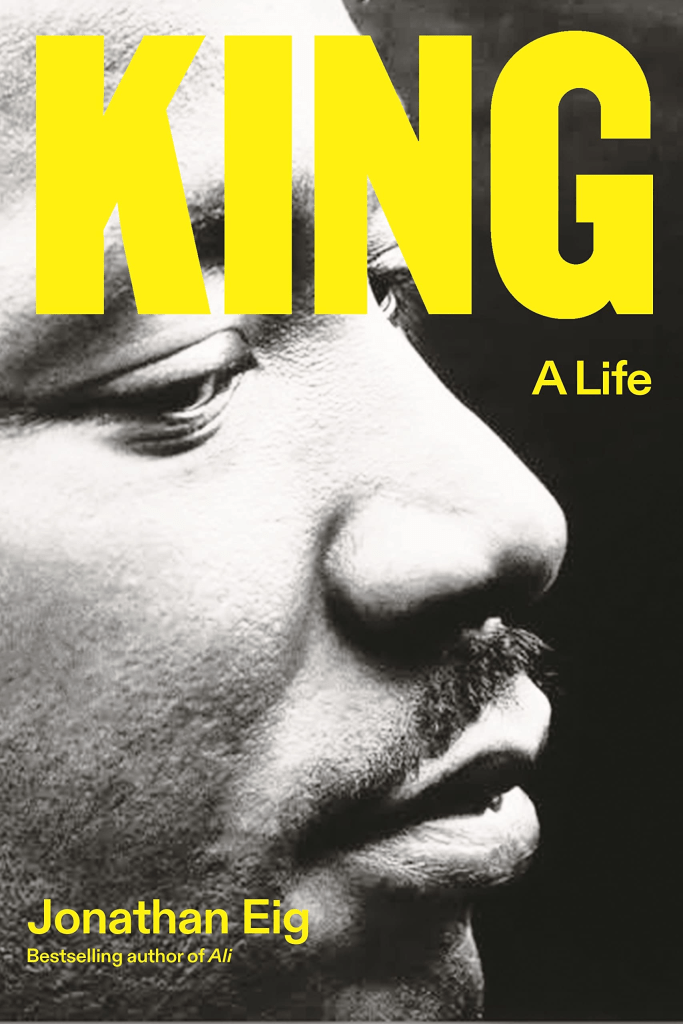
King: A Life by Jonathan Eig
The first full biography of Martin Luther King Jr. in decades, combining new research and declassified FBI files to offer an intimate portrait of the civil rights icon. The biography explores King’s complex relationships, personal struggles, and deep commitment to justice, shedding light on his emotional turmoil, brilliance as a strategist, and enduring impact on American race relations. Eig presents King as a deeply human figure whose radical demands for equality continue to resonate today.

Black Klansman: A Memoir by Ron Stallworth
In 1978, Colorado Springs Police Detective Ron Stallworth, a Black man, infiltrated the Ku Klux Klan in an undercover operation, even being asked to lead the local chapter. Despite internal departmental politics, he successfully thwarted the Klan’s efforts to take over the city. Black Klansman details this extraordinary and ironic investigation.
Remembering Jim Crow: African Americans Talk About Life in the Segregated South by William Henry Chafe
A powerful portrait of the Jim Crow South through first-person accounts collected by Duke University’s Behind the Veil project. These vivid narratives reveal the daily struggles of Black Southerners under relentless racial oppression and highlight their resilience through resistance, community building, and survival. This work remains deeply relevant as Americans confront the enduring legacies of slavery and racial inequality.

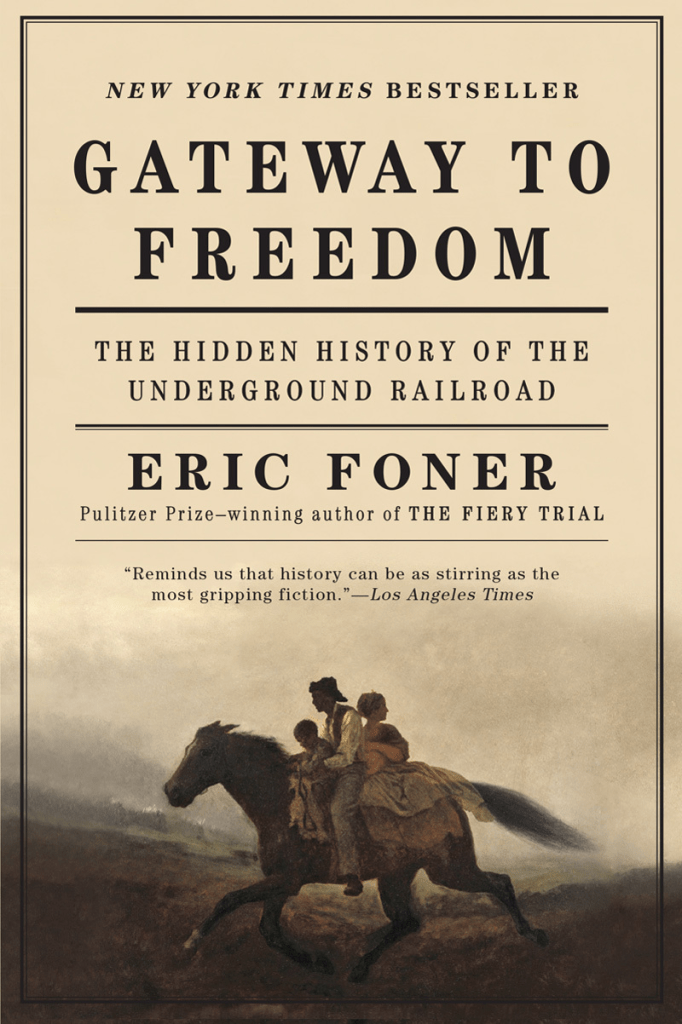
Gateway to Freedom: The Hidden History of the Underground Railroad by Eric Foner
Sheds new light on the underground railroad, revealing it as a vital network of antislavery resistance centered in New York City. Using fresh evidence, including records by organizer Sydney Howard Gay, Foner uncovers how free Black communities and white abolitionists collaborated to help over 3,000 fugitives escape to freedom between 1830 and 1860. This inspiring history highlights the courage and significance of “practical abolition” in the fight against slavery.
 List Kitty
Leave a comment