
In light of Pope Francis’s recent passing, here is a list of books detailing the history of the papacy and biographies of past Popes. Whether someone is religious or not, it can’t be denied that the Pope has always held a prominent role throughout the history of western civilization.
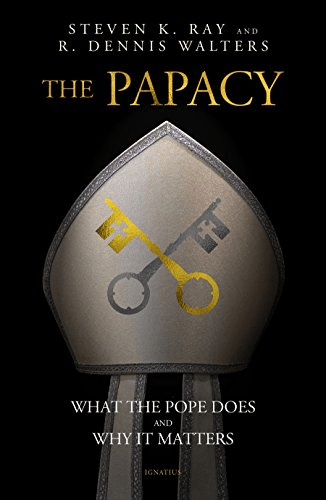
The Papacy: What the Pope Does and Why It Matters by Stephen K. Ray & R. Dennis Walters
Emphasizes the Pope’s vital role in preserving the unity and integrity of the Church, guarding against division and misinterpretation of apostolic teaching. It clarifies misconceptions about the papacy, explains its historical development and election process, and highlights great Popes whose influence extends beyond the Catholic Church.
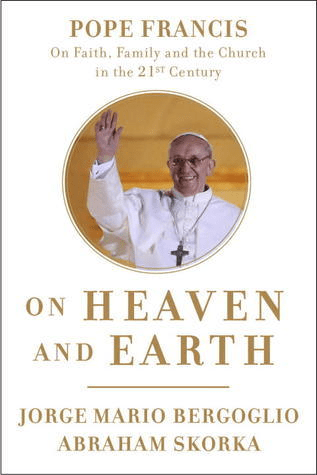
On Heaven and Earth: Pope Francis on Faith, Family, and the Church in the Twenty-First Century by Pope Francis & Abraham Skorka
Presents a series of candid conversations between Cardinal Jorge Mario Bergoglio (later Pope Francis) and Rabbi Abraham Skorka, exploring faith, reason, and global challenges. Covering topics from God and prayer to politics, same-sex marriage, and inter-religious dialogue, the book offers insight into the future pope’s beliefs and his commitment to building bridges between faiths.

Absolute Monarchs: A History of the Papacy by John Julius Norwich
In this sweeping chronicle, John Julius Norwich traces nearly 2,000 years of papal history, exploring how key popes shaped the political, cultural, and spiritual course of Rome and the world. From heroic negotiators like Leo I to reformers like John XXIII, Norwich vividly profiles both revered and controversial figures, offering a compelling portrait of the papacy’s enduring influence.
The Two Popes: Francis, Benedict, and the Decision That Shook the World by Anthony McCarten
McCarten explores the unprecedented transition between Pope Benedict XVI, who shocked the world by resigning in 2013, and his unexpected successor, Pope Francis—the first non-European pontiff in over a millennium. Weaving together their contrasting backgrounds and beliefs, McCarten delves into the personal, political, and spiritual tensions shaping the modern Catholic Church. The book offers a gripping, behind-the-scenes look at two living popes navigating faith, legacy, and reform in one of the world’s most secretive institutions.

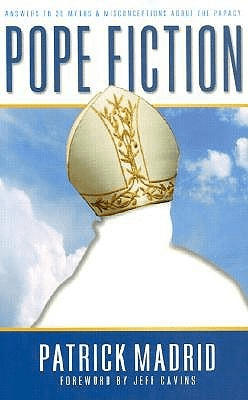
Pope Fiction: Answers to 30 Myths & Misconceptions About the Papacy by Patrick Madrid
Tackles 30 common misconceptions about the papacy, offering clear, charitable, and well-researched responses to each one. Drawing from both Catholic teaching and Protestant perspectives, the book aims to clarify the truth about papal authority and correct long-held myths. With an accessible style, it serves as a valuable resource for anyone exploring or questioning the role of the pope in the Church.
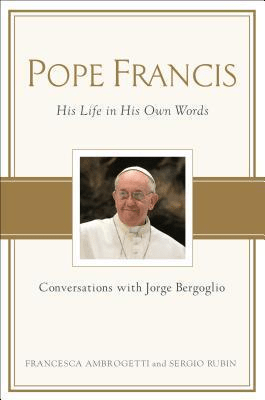
Pope Francis: Conversations with Jorge Bergoglio: His Life in His Own Words by Sergio Rubin, Francesca Ambrogetti, & Pope Francis
An intimate portrait of Pope Francis through a series of candid interviews conducted before his election in 2013. Reflecting on his childhood, career, faith, and the challenges facing the Church, he shares thoughtful insights with warmth, humility, and wisdom. The book reveals the heart of a compassionate teacher and leader, unafraid to address both personal and global issues.
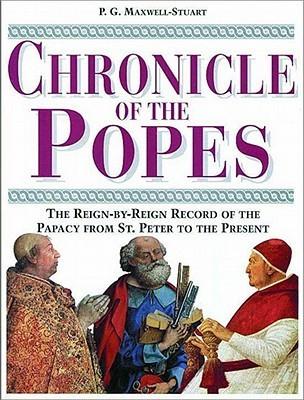
Chronicle of the Popes: The Reign-by-Reign Record of the Papacy over 2000 Years by PG Maxwell-Stuart
This book chronicles the lives of all 264 popes from St. Peter to John Paul II, highlighting the contrast between the sacred nature of the papal office and the often very human behavior of its holders. It offers a sweeping historical narrative of the papacy’s journey—from spiritual leadership, through political entanglement, and back again—supplemented with data files, key events, contemporary quotes, and essays on major topics like St. Peter’s tomb and canonized popes.
A Big Heart Open to God: A Conversation with Pope Francis by Pope Francis & Antonio Spadaro
In a groundbreaking interview, Pope Francis speaks openly about his role as the first Jesuit pope, his approach to Church governance, and his personal reflections on leadership and past mistakes. Candidly calling himself “a sinner,” he discusses his time as a Jesuit superior, the need for genuine consultation in Church reform, and the broader meaning of “thinking with the Church.” The wide-ranging conversation offers rare insight into the humility, vision, and humanity of the pope.
2000 Years of Papal History: The History of the Popes, the Papacy, and the Catholic Church by John W. O’Malley
In this comprehensive 36-lecture series, Fr. John O’Malley—renowned historian and best-selling author—traces the rich and complex history of the papacy, the oldest enduring institution in the Western world. Focusing on pivotal popes and key moments, he explores how the Church has navigated crises and change with resilience and leadership. Part of the Learn25 collection, the course blends deep scholarship with engaging storytelling and includes a free PDF study guide.
Life: My Story Through History by Pope Francis & Aubrey Botsford
Pope Francis’s deeply personal reflection on his own journey and the defining events of the past eight decades, from World War II to the COVID-19 pandemic. Blending autobiography with global history, he shares candid insights on pivotal moments such as the Holocaust, Argentina’s dictatorship, 9/11, and the election that made him pope. With compassion and clarity, he also addresses today’s pressing issues—inequality, war, climate change, and more—offering a powerful perspective from a pastor who has witnessed a world in transformation.
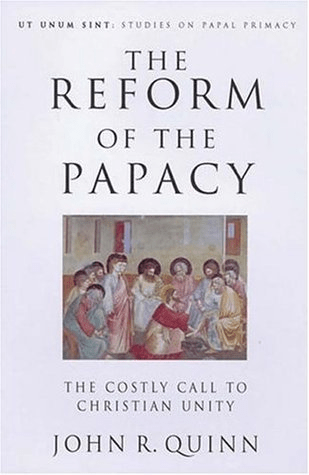
The Reform of Papacy: The Costly Call to Christian Unity by John R. Quinn
In response to Pope John Paul II’s call for reflection on papal reform in light of ecumenism, Archbishop John Quinn argues that unity among Christians requires more than just doctrinal agreement. He advocates for meaningful reform within the Catholic Church—especially in how the papacy is exercised and how the Roman Curia functions. Drawing on the practices of the early Church, Quinn offers a vision for a more inclusive and collaborative future.
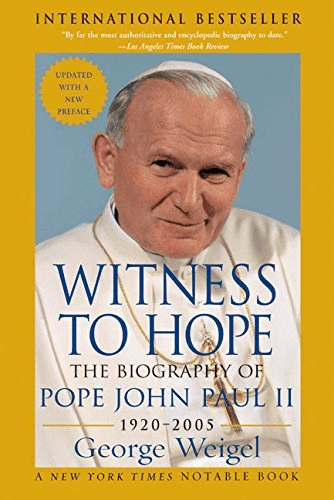
Witness to Hope: The Biography of Pope John Paul II by George Weigel
The definitive biography of Pope John Paul II, offering a deeply researched and intimate portrait of one of the most influential figures of the 20th century. With access to the Pope and those close to him, George Weigel explores how John Paul II’s spiritual convictions shaped his leadership, impacted global politics, and helped bring about major historical changes, including the fall of communism in Europe. This comprehensive work highlights both his legacy and the challenges that remain for the Church and the world.
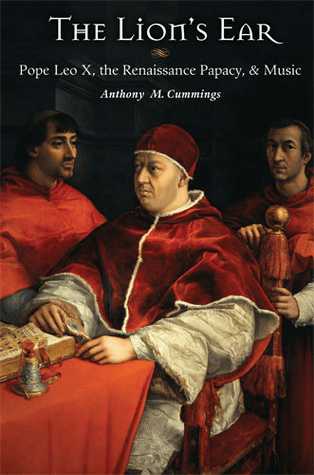
The Lion’s Ear: Pope Leo X, the Renaissance Papacy, and Music by Anthony Cummings
The first full-length scholarly study of Pope Leo X’s musical patronage, offering a vivid portrayal of the musical life at the Renaissance papal court. Anthony M. Cummings explores how music permeated festivals, liturgical rites, banquets, and theatrical performances in early modern Rome, placing it in the broader cultural and political context of the Italian Renaissance. With an interdisciplinary approach, the book reveals how deeply music was woven into the fabric of papal life and influence before the Reformation.
Hope: The Autobiography by Pope Francis
The first autobiography ever published by a sitting pope, offering an intimate look at Pope Francis’s life from his family’s migration to Argentina through his papacy. Originally intended for posthumous release, the book candidly addresses major global issues like war, climate change, and social justice, making it both a personal memoir and a powerful spiritual testament. Enhanced with unpublished photographs, it stands as his legacy of hope for future generations.


The Borgias and their Enemies: 1431 – 1519 by Christopher Hibbert
The first major biography of the infamous family in thirty years, bringing their corrupt and power-hungry legacy to life in the vibrant world of Renaissance Rome. Focusing on Rodrigo Borgia, Pope Alexander VI, and his notorious children, Cesare and Lucrezia, Hibbert strips away the myths surrounding the family to present a gripping tale of ambition, violence, and intrigue.
Paul VI: The Divided Pope by Yves Chiron, HJA Sire & James Walther
Explores the complexities of Giovanni Battista Montini’s papacy, marked by profound change during the Second Vatican Council. Portraying him as a man torn between reform and tradition, Chiron delves into his anti-fascist activities, diplomatic tensions, and the challenges he faced in modernizing the Church, from liturgical changes to his controversial stance on contraception.

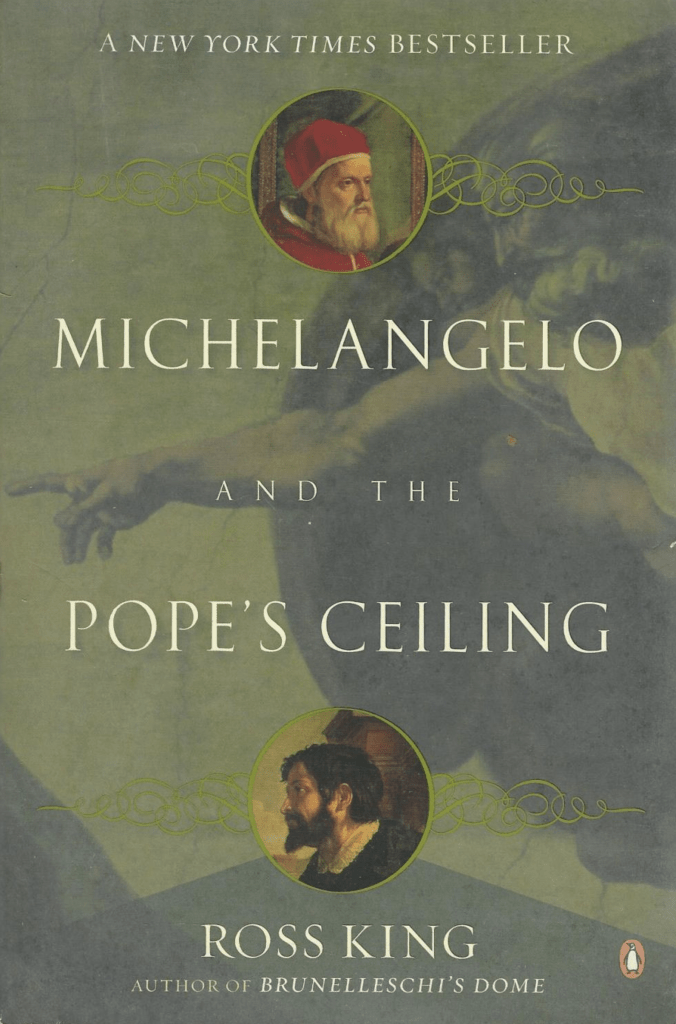
Michelangelo and the Pope’s Ceiling by Ross King
Recounts the four years Michelangelo spent painting the Sistine Chapel ceiling, despite his initial reluctance and lack of painting experience. The book explores the personal struggles, political tensions, and rivalries, particularly with Raphael, that surrounded him during the project, while showcasing how Michelangelo’s masterpiece became a timeless symbol of artistic achievement.
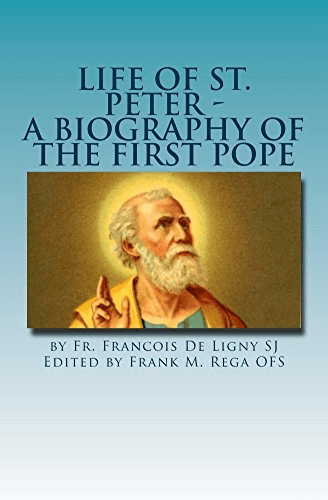
Life of St. Peter: A Biography of the First Pope by Fr. Francois de Ligny SJ
Explore the scriptural and historical evidence of St. Peter’s presence in Rome, including why he came, why he may have left, and why he called the city “Babylon.” This well-researched work uses ancient sources and Church Fathers to firmly defend the tradition of St. Peter’s Roman residence, despite ongoing controversy that began in the 14th century.

The Pope at War: The Secret History of Pius XII, Mussolini, and Hitler by David I. Kertzer
Drawing on newly opened Vatican archives, Pulitzer Prize-winner David I. Kertzer offers a gripping reexamination of Pope Pius XII’s actions during World War II and the Holocaust. Based on thousands of previously unseen documents, the book reveals how the pope prioritized preserving Church power over moral leadership, reshaping our understanding of his role in history.
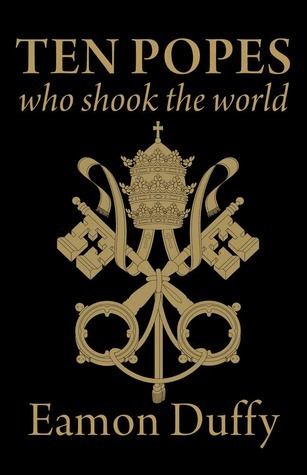
Ten Popes Who Shook the World by Eamon Duffy
In this compelling book, Eamon Duffy profiles ten of the most influential popes in history—spiritual leaders who also shaped global culture and politics across the centuries. From St. Peter to John Paul II, Duffy explores how each pope profoundly impacted the Church and the wider world.
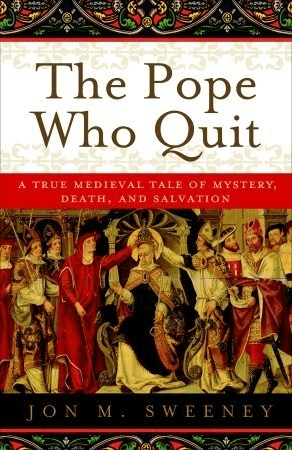
The Pope Who Quit: A True Medieval Tale of Mystery, Death, and Salvation by Jon M. Sweeney
The dramatic true story of Peter Morrone, a humble hermit unexpectedly made pope at the end of the Middle Ages, who became the only pontiff in history to abdicate. His brief, turbulent papacy is surrounded by mystery, political intrigue, and centuries of speculation.
Benedict XVI: A Life Volume One: Youth in Nazi Germany to the Second Vatican Council 1927-1965 by Peter Seewald
The definitive biography of Joseph Ratzinger, tracing his early life in Germany, his theological career, and rise to Archbishop of Munich. Based on extensive interviews with Benedict himself, this first volume offers deep insight into the formative years of one of the most influential—and controversial—figures in modern Catholicism.

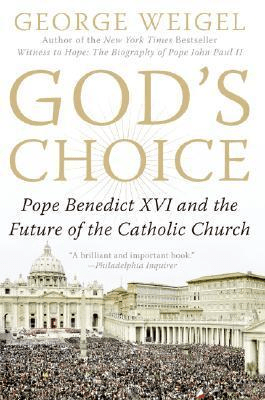
God’s Choice: Pope Benedict XVI and the Future of the Catholic Church by George Wiegel
An insider’s account of the final days of Pope John Paul II, the election of Pope Benedict XVI, and the state of the global Church at a pivotal moment in history. Weigel combines personal insight, firsthand interviews, and deep analysis to explore the Church’s challenges and enduring influence in a rapidly changing world.
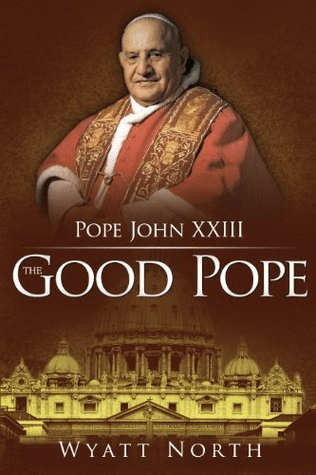
Pope John XXIII: The Good Pope by Wyatt North
Known as “The Good Pope” for his humility, warmth, and humor, Pope John XXIII is often compared to Pope Francis for his compassion and accessibility. Honored posthumously with the Peace Prize and the U.S. Presidential Medal of Freedom, he was canonized by Pope Francis on April 27, 2014, fittingly recognized by a successor who closely mirrors his spirit.
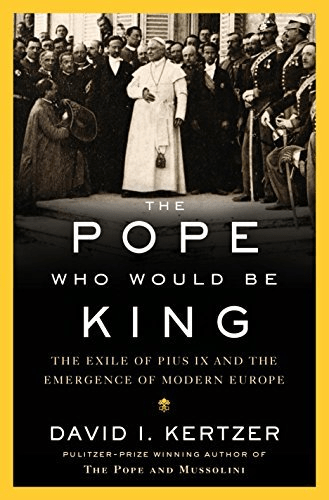
The Pope Who Would Be King: The Exile of Pius IX and the Emergence of Modern Europe by David I. Kertzer
Kertzer tells the story of Pope Pius IX, whose reign marked the end of the papacy’s political power and the dawn of modern Europe. As revolutionary movements swept the continent, Pius IX struggled—and ultimately failed—to balance reform with absolute authority.
The Popes: A History by John Julius Norwich
In this sweeping history, Norwich vividly chronicles nearly two thousand years of papal influence, intrigue, and impact on world events. From early negotiators like Innocent I to reformers like John XXIII and Benedict XVI, Norwich explores how popes shaped not only the Church but also the political and cultural course of history.
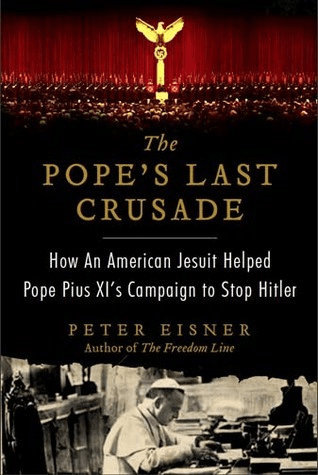
The Pope’s Last Crusade: How an American Jesuit Helped Pope Pius XI’s Campaign to Stop Hitler by Peter Eisner
Eisner uncovers a hidden Vatican conspiracy to suppress a powerful encyclical condemning Nazism, racism, and anti-Semitism, commissioned by Pope Pius XI and drafted by American Jesuit John LaFarge. As the Pope’s health declined, high-ranking Church officials, including future Pope Pius XII, worked behind the scenes to bury the document—altering the course of history.
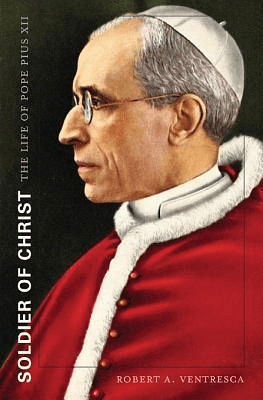
Soldier of Christ: The Life of Pope Pius XII by Robert A. Ventresca
A nuanced look at Pope Pius XII, exploring his complex legacy beyond the “Pius wars” and his response to Nazism and the Cold War. Ventresca examines Eugenio Pacelli’s upbringing, diplomacy, and actions, revealing a pope who balanced both global outreach and controversial decisions, shaping the Church’s modern era while leaving a legacy of division.
Absolute Power: How the Pope Became the Most Influential Man in the World by Paul Collins
Chronicles the dramatic rise of the papacy from its near-collapse in 1799 to its global influence today. Through a gripping narrative, he explores the key pontiffs, controversial doctrines, and the paradox of the Church’s increasing authority despite losing its political power.

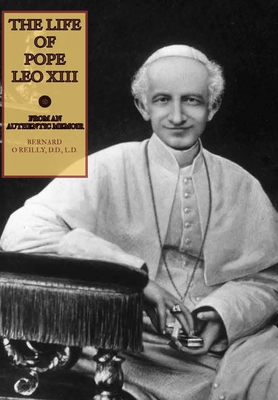
The Life of Pope Leo XIII by Bernard O’Reilly
A near-autobiographical account of Pope Leo XIII’s early life, based on memoirs provided by the Holy See. The book chronicles Gioacchino Pecci’s steadfast defense of the Church against revolutionary changes in 19th-century Europe, highlighting his battles for the priesthood, marriage, and his critique of Italy’s new regime.
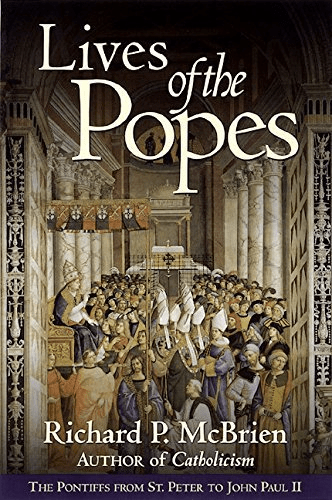
Lives of the Popes: The Pontiffs from St. Peter to John Paul II by Richard McBrien
A comprehensive and engaging history of the papacy, offering vivid biographies of all 262 popes, from St. Peter to John Paul II. McBrien highlights the triumphs, controversies, and scandals of each pontiff, including bizarre events like the trial of Pope Formosus’ exhumed body, and explores how the papacy shaped Christianity and the world.
The Name of God is Mercy by Pope Francis
Pope Francis reflects on the central theme of his papacy—mercy—offering personal stories and insights from his youth and pastoral experiences. In conversation with Andrea Tornielli, Francis emphasizes that God’s mercy is infinite and that the Church’s mission is to reach out to all, healing spiritual and physical wounds while guiding people toward peace and reconciliation.
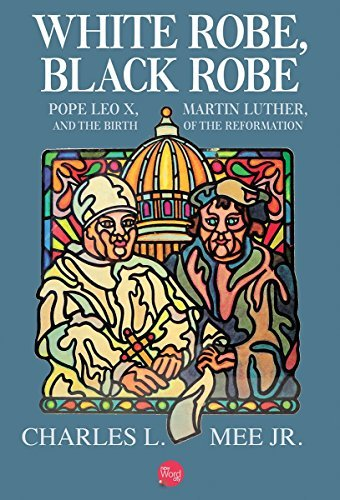
White Robe, Black Robe: Pope Leo X, Martin Luther, and the Birth of the Reformation by Charles L. Mee Jr.
Explores the dramatic clash between the revolutionary Martin Luther and the extravagant Pope Leo X, whose ambitions for the Vatican clashed with Luther’s theological protests. This engaging biography brings the Italian Renaissance and the Reformation into sharp focus, highlighting the contrasting lives and philosophies of two men who shaped history in vastly different ways.

To Kidnap a Pope: Napoleon and Pius VII, 1800-1815 by Abrogio A. Caiani
Delves into the fraught relationship between Napoleon Bonaparte and Pope Pius VII, from their initial reconciliation to the eventual conflict that led to the Pope’s arrest in 1809. Using new archival research, Caiani explores how Napoleon sought to control the Church and the enduring Catholic resistance, shedding light on the broader struggle between the papacy and modern state power.
 List Kitty
Leave a comment