
Boy, do these awards lists take a long time to make! I’m glad I finally get to present to you a list of the National Book Award Winners for Fiction, from the most recent to the eldest. The winners are determined and announced annually in November and the National Book Foundation’s mission statement reads as follows: “The mission of the National Book Foundation is to celebrate the best literature published in the United States, expand its audience, and ensure that books have a prominent place in our culture.”
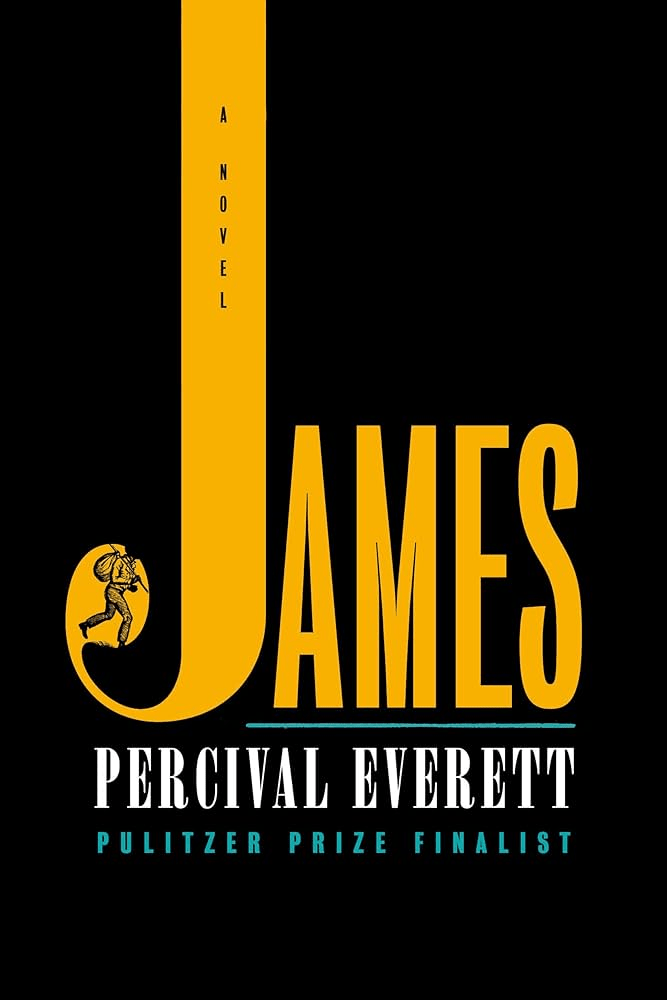
James by Percival Everett
This reimagining of Adventures of Huckleberry Finn tells the story from Jim’s perspective, as he escapes the threat of being sold and separated from his family. Alongside Huck, who has fled his abusive father, Jim embarks on a perilous journey down the Mississippi River, exploring themes of agency, intelligence, and compassion. With humor and sharp observations, this novel highlights Jim’s humanity, making it a pivotal work in modern American literature.
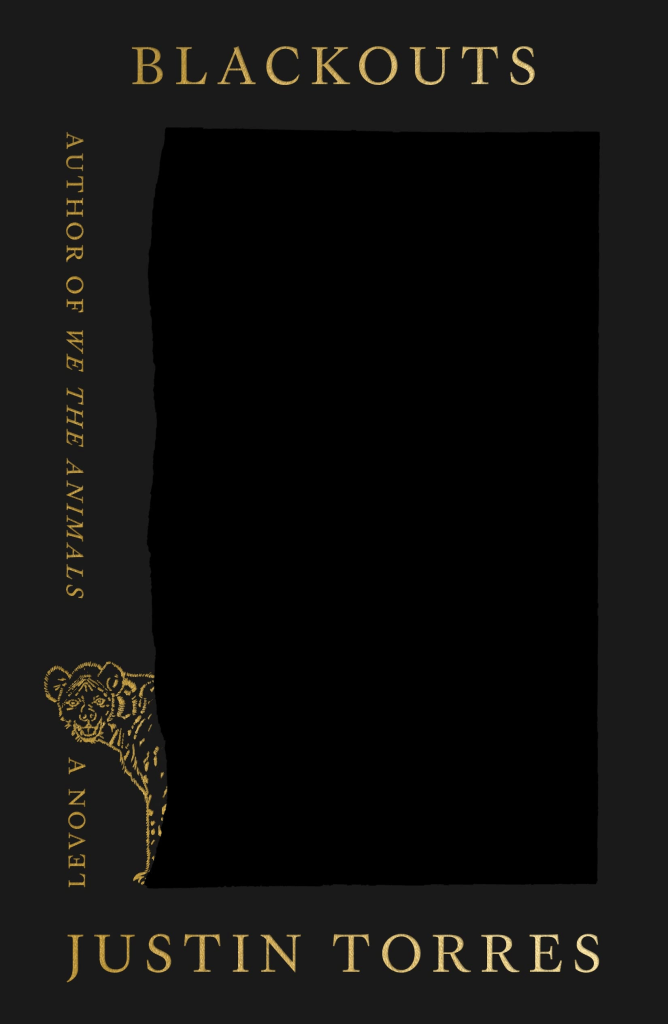
Blackouts by Justin Torres
In the desert, a young man cares for Juan Gay, a dying soul who once haunted his life, as they exchange stories about love, loss, and forgotten histories. Inspired by the suppressed work Sex Variants: A Study in Homosexual Patterns, the novel explores the erasure of queer narratives and the gaps in history. With influences from various literary works, Blackouts confronts the world we’ve inherited, filled with both shadows and flashes of truth.
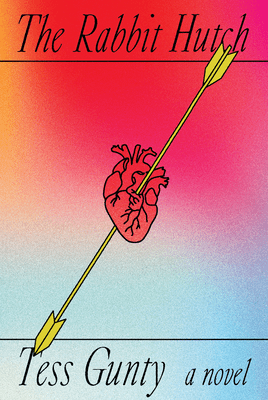
The Rabbit Hutch by Tess Gunty
Blandine, unlike her neighbors in a rundown housing complex in Vacca Vale, Indiana, navigates life with a mix of beauty and intelligence while sharing an apartment with three troubled teenage boys. Over the course of a sweltering July week, their lives intersect with dark secrets, violence, and a quest for meaning, culminating in a life-changing event. The Rabbit Hutch is a darkly humorous and poignant exploration of loneliness, longing, and the pursuit of freedom.
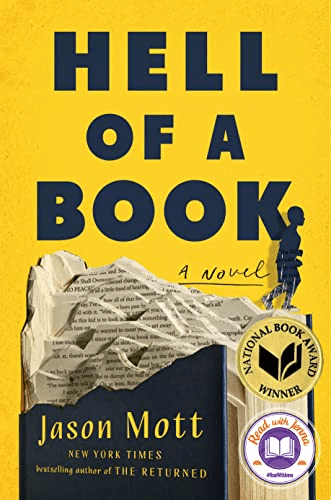
Hell of a Book by Jason Mott
An African-American author embarks on a book tour to promote his bestselling novel, which intertwines the stories of Soot, a young Black boy, and The Kid, a possibly imaginary figure who appears to the author. As the narrative unfolds, the novel explores family, love, art, and social issues, with the haunting backdrop of a police shooting that repeatedly dominates the news. This powerful and magical story builds toward an unforgettable conclusion, raising questions about identity, violence, and the world we leave behind.
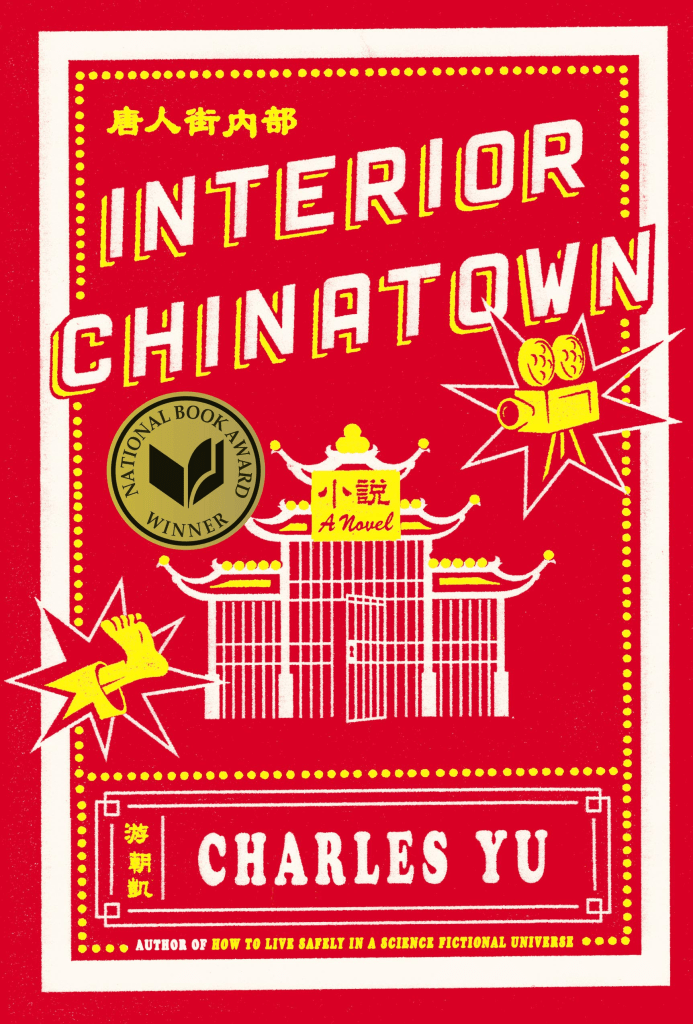
Interior Chinatown by Charles Yu
Explores race, pop culture, immigration, and assimilation through the life of Willis Wu, who sees himself as “Generic Asian Man” in a world that relegates him to the background. Dreaming of becoming Kung Fu Guy, the pinnacle role for someone like him, Willis stumbles into the spotlight and uncovers the hidden history of Chinatown and his own family. This inventive and deeply personal novel challenges stereotypes and redefines identity.
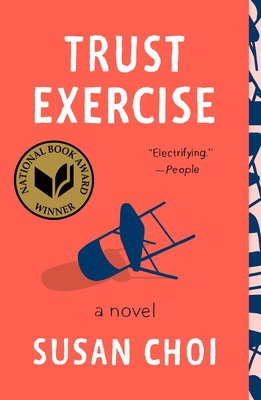
Trust Exercise by Susan Choi
Delves into the intense world of a competitive 1980s performing arts high school, where freshmen David and Sarah fall in love under the watchful eye of their manipulative acting teacher, Mr. Kingsley. As the story unfolds, shocking events blur the lines between fiction and truth, culminating in a twist that reshapes everything the reader believed. This captivating novel explores adolescence, power dynamics, and the complexities of trust and loyalty.
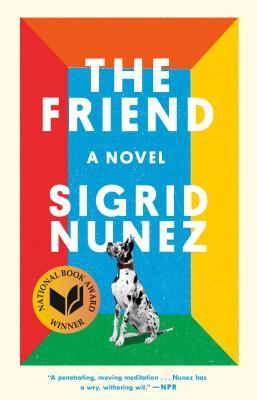
The Friend by Sigrid Nunez
A grieving woman inherits a traumatized Great Dane from her late best friend, despite living in a no-pets apartment. As she becomes consumed with the dog’s care and their shared loss, isolation and obsession threaten her stability. This poignant novel explores love, grief, healing, and the profound bond between humans and animals.
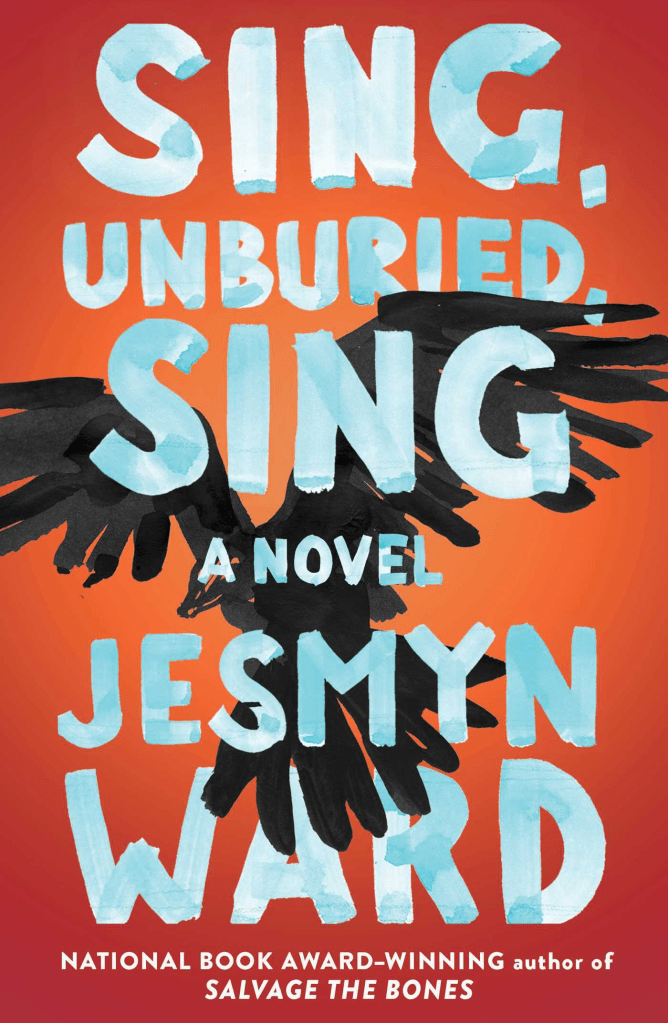
Sing, Unburied, Sing by Jesmyn Ward
Jesmyn Ward weaves a powerful road novel set in rural Mississippi, exploring family bonds, racial struggles, and haunting legacies. Jojo, his sister Kayla, and their troubled mother, Leonie, embark on a perilous journey to retrieve their father from prison, confronting personal and historical ghosts along the way. With lyrical prose, Ward delivers an intimate yet epic tale of hope, struggle, and the enduring impact of the past.
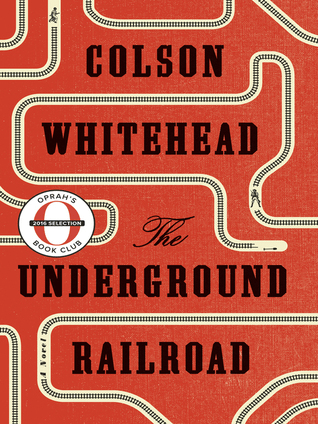
The Underground Railroad by Colson Whitehead
Reimagines the Underground Railroad as an actual network of tracks and tunnels, following Cora, a slave in Georgia, on her harrowing journey to freedom. After escaping with Caesar and killing a boy who tries to capture her, Cora faces relentless pursuit by a slave catcher and encounters perilous “havens” that mask deeper threats. Through Cora’s odyssey, Whitehead delivers a powerful meditation on America’s history of slavery and the enduring struggle for freedom.
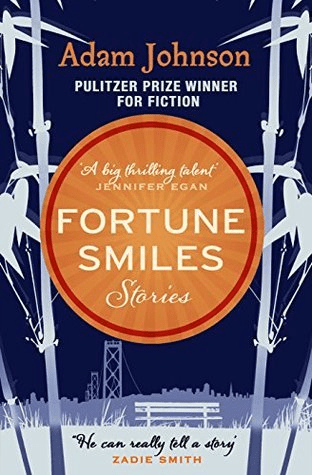
Fortune Smiles by Adam Johnson
Presents six compelling stories that explore love, loss, technology, and the intersection of the political and personal. From a former Stasi prison warden confronting his past to North Korean defectors adjusting to life in Seoul, Johnson gives voice to rarely heard perspectives. With its masterful storytelling, this collection offers a profound and unsettling look at the complexities of the modern world.
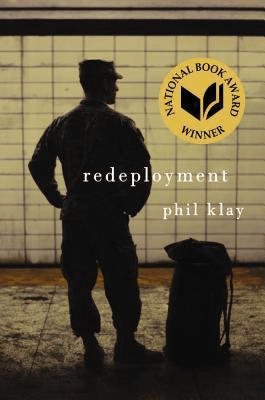
Redeployment by Phil Klay
A vivid portrayal of the wars in Iraq and Afghanistan and the struggles of soldiers returning home. Through stories of brutality, faith, guilt, and survival, Klay explores the chaos of war and its aftermath, from a soldier adjusting to suburban life after Fallujah to a chaplain questioning his faith. With raw realism and emotional depth, this powerful collection captures the dual realities of war and homecoming.
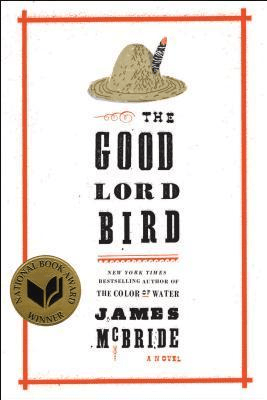
The Good Lord Bird by James McBride
Tells the story of Henry Shackleford, a young slave who joins John Brown’s antislavery crusade in 1857 Kansas, and must pass as a girl to survive. Nicknamed Little Onion by Brown, Henry conceals his true identity while navigating the dangers of the abolitionist cause, culminating in the historic raid on Harpers Ferry. This novel blends history with imagination, offering a thrilling adventure and a poignant exploration of identity and survival.
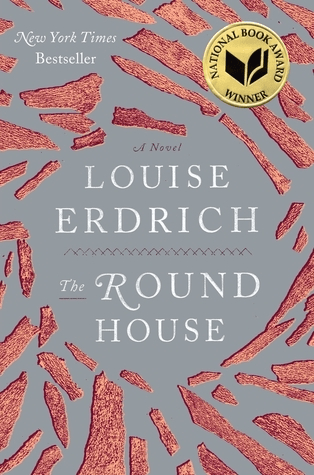
The Round House by Louise Erdrich
Erdrich returns to the Ojibwe reservation in North Dakota, telling the gripping story of a young boy named Joe who seeks justice after a violent crime shatters his family. Blending suspense, coming-of-age themes, and a deep exploration of family and culture, this novel is Erdrich’s most accessible work to date, offering a poignant look at history, identity, and the search for understanding.
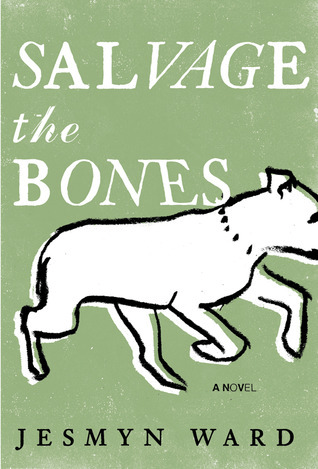
Salvage the Bones by Jesmyn Ward
Tells the story of Esch, a fourteen-year-old pregnant girl, and her siblings in the coastal town of Bois Sauvage, Mississippi, as they prepare for the impending threat of Hurricane Katrina. Amidst poverty and family struggles, Esch and her brothers grapple with loss, survival, and the harsh realities of their environment. This poignant, poetic novel explores the deep bonds of family and the sacrifices made in the face of overwhelming adversity.
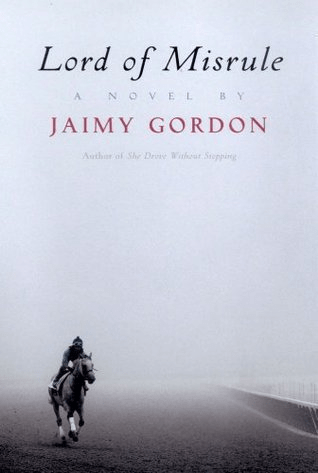
Lord of Misrule by Jaimy Gordon
Delves into the gritty world of small-time horse racing at a rundown West Virginia track, where trainers, jockeys, and grifters fight for a chance at success. Tommy Hansel has a scheme to run four horses at long odds and cash out before anyone catches on, but it’s Maggie Koderer, drawn to the worn-out horses, who uncovers what truly matters in a world where everything has a price. This novel explores the complex characters and relationships within the dark, alluring world of racing.
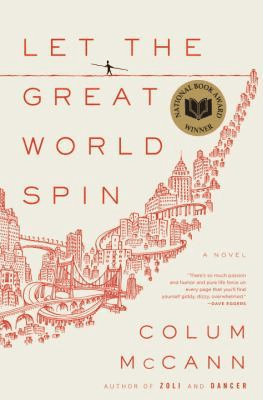
Let the Great World Spin by Colum McCann
In August 1974, a mysterious tightrope walker dances between the Twin Towers, mesmerizing the people of lower Manhattan. Beneath him, the lives of a radical Irish monk, grieving mothers, a troubled artist, and a determined prostitute intertwine in Colum McCann’s Let the Great World Spin, a sweeping portrait of New York City in the 1970s. Through these disparate yet connected voices, McCann crafts a powerful allegory of hope, loss, and transformation in a city on the brink of change.
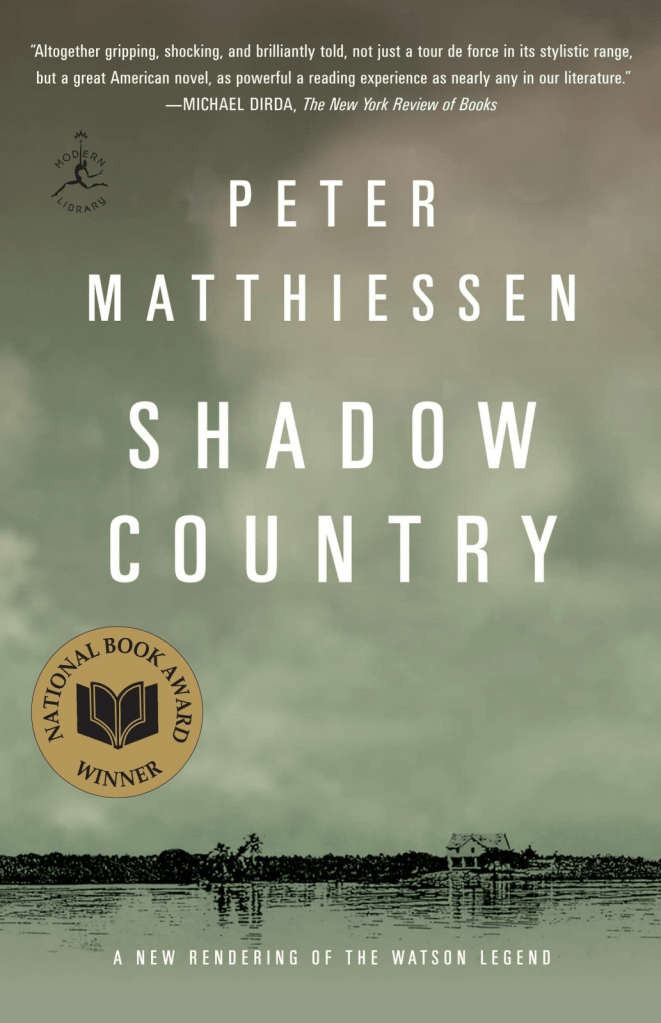
Shadow Country by Peter Matthiessen
Peter Matthiessen’s Shadow Country masterfully condenses his trilogy—Killing Mister Watson, Lost Man’s River, and Bone by Bone—into a single epic novel. This bold reimagining deepens the characters’ insights and motivations while preserving the sweeping tale of E.J. Watson, a notorious outlaw and sugar planter in the wild Florida Everglades at the turn of the 20th century.
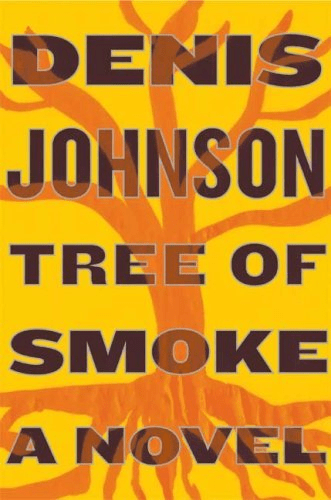
Tree of Smoke by Denis Johnson
Follows Skip Sands, a spy-in-training during the Vietnam War, as he navigates the chaos caused by his famous uncle, a war hero. Alongside the story of the Houston brothers, Bill and James, the novel delves into the blurred lines between disinformation and delusion. With its poignant, gritty portrayal of human folly and desperation, Tree of Smoke is a gripping and powerful exploration of loneliness, sex, death, and faith.
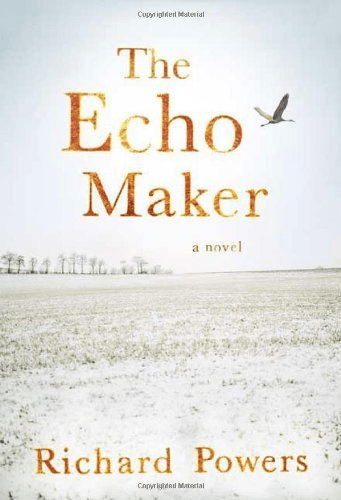
The Echo Maker by Richard Powers
Follows Mark Schluter, who, after a near-fatal accident, suffers from Capgras Syndrome, believing his sister Karin is an impostor. As Karin seeks help from neurologist Gerald Weber, the investigation into Mark’s condition uncovers unsettling truths that challenge their understanding of identity and reality. Set against the backdrop of the Platte River’s spring migrations, this gripping mystery explores the fragility of the human mind and the complexity of self-awareness.
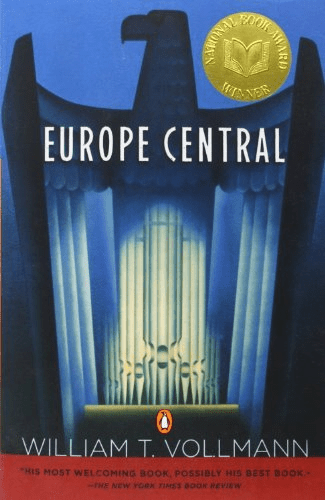
Europe Central by William T. Vollmann
Explores the authoritarian cultures of 20th-century Germany and the USSR, intertwining real and fictional stories. The narrative follows a range of characters, including a young German SS member, two generals collaborating with the enemy, and Soviet composer Dmitri Shostakovich under Stalinist oppression. Vollmann presents a daring, nuanced portrait of human actions during wartime, delving into the complex moral and political struggles of the era.
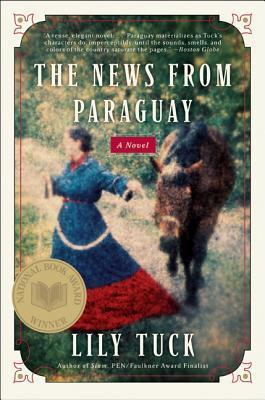
The News from Paraguay by Lily Tuck
Set in 1854, The News from Paraguay follows Irish courtesan Ella Lynch as she is swept into a passionate and doomed love affair with Francisco Solano, Paraguay’s future dictator. She follows him to Asunción, where she becomes his mistress and embraces his imperial ambitions—ambitions that ultimately bring ruin to Paraguay. With vivid detail and complex characters, the novel echoes the sweeping epics of García Márquez and Vargas Llosa.
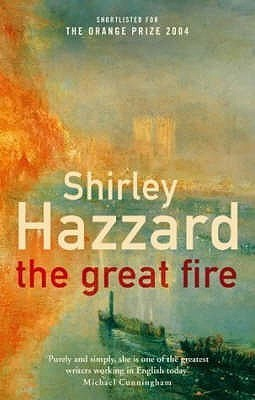
The Great Fire by Shirley Hazzard
Set in 1947, The Great Fire follows war hero Aldred Leith as he travels to Occupied Japan to document the aftermath of Hiroshima, haunted by postwar loneliness and past trauma. There, he meets Benedict and Helen Driscoll—intensely close siblings bound by illness and literature—and finds himself unexpectedly drawn to Helen. As Leith grapples with love, loss, and the ruins of a shattered world, he must imagine a future shaped by compassion and connection.
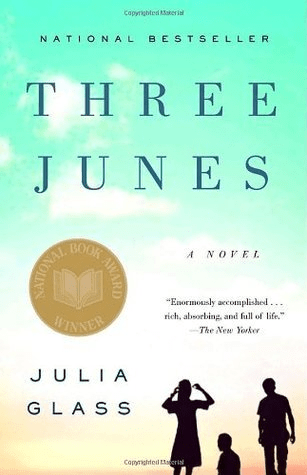
Three Junes by Julia Glass
Follows the McLeod family across time and continents as they navigate love, loss, and identity. After Paul McLeod, a widower, finds unexpected connection in Greece, his death years later reunites his sons in Scotland, where Fenno, the introspective eldest, confronts hidden truths. A final, fateful encounter ties past and future together, revealing the enduring, redemptive power of love.
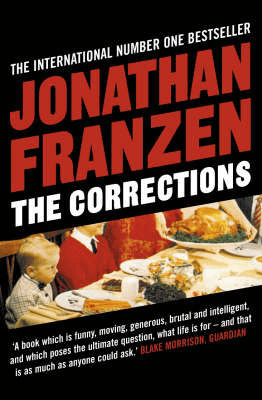
The Corrections by Jonathan Franzen
A darkly comic and deeply humane portrait of a dysfunctional Midwestern family coming undone in a world obsessed with quick fixes. As aging matriarch Enid dreams of reuniting her troubled adult children for one last Christmas, each grapples with personal crises that reflect the anxieties of modern life. Spanning decades and continents, the novel explores the collision between traditional values and a chaotic, globalized present.
In America by Susan Sontag
Follows Maryna Zalewska, Poland’s most celebrated actress, who leaves her career to lead a group of idealists to California in 1876 to found a utopian commune. As dreams collide with harsh realities, the commune collapses—but Maryna stays, reinventing herself and finding success on the American stage. Sontag’s sweeping novel explores ambition, identity, and the clash between fantasy and reality in the New World.
Waiting by Ha Jin
The story of Lin Kong, a Chinese army doctor torn for nearly two decades between duty and desire, caught between his loyal village wife and the modern woman he truly loves, Manna Wu. Each year, he asks for a divorce, only to be denied—trapped by tradition, Party rules, and his own indecision. Ha Jin’s quietly powerful novel explores the emotional cost of longing in a society where personal freedom is often at odds with cultural and political expectations.
Charming Billy by Alice McDermott
Explores the life and legacy of Billy Lynch, a charismatic yet troubled man whose family and friends gather after his death to mourn and remember him. As stories of his charm and heartbreak unfold, a deeper truth emerges about the lies we tell out of love and the quiet devastation of addiction.
Cold Mountain by Charles Frazier
The story of Inman, a wounded Confederate soldier who deserts the war to journey home to Ada, the woman he loves. As he traverses a ravaged Southern landscape, Ada struggles to survive and restore her family farm with the help of the resourceful Ruby. Their parallel quests unfold against the backdrop of a changing world, blending love, survival, and a deep connection to the land.
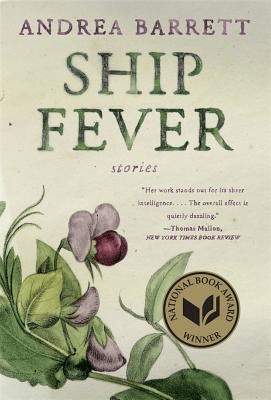
Ship Fever and Other Stories by Andrea Barrett
A collection of elegant short stories that explore the intersection of science and human emotion, often set in the nineteenth century. Blending historical and fictional characters, Andrea Barrett delves into themes of ambition, love, and loss—from a doctor confronting a deadly epidemic to aging naturalist Linnaeus facing the limits of his legacy. These richly crafted tales reveal how science and personal lives intertwine in moving, unexpected ways.
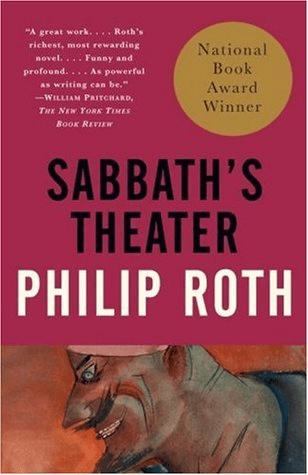
Sabbath’s Theater by Philip Roth
Follows the outrageous and unrepentant Mickey Sabbath, a 64-year-old former puppeteer whose life is fueled by sexual obsession and defiance. After the death of his longtime mistress, Sabbath spirals into a chaotic reckoning with his past, haunted by loss, lust, and guilt. Philip Roth’s darkly comic novel is a raw, unflinching exploration of desire, grief, and self-destruction.
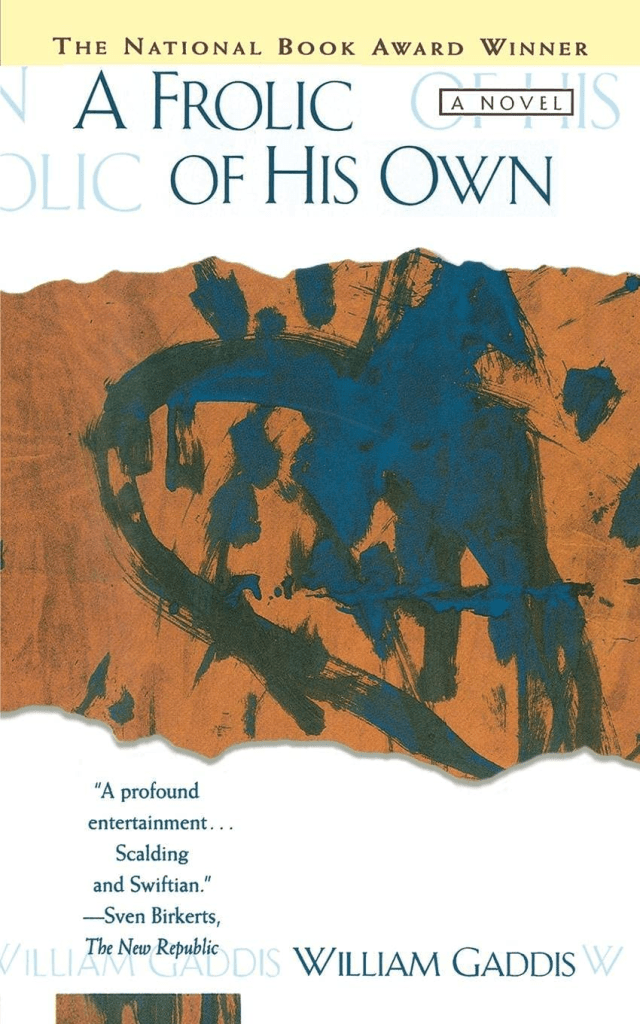
A Frolic of His Own by William Gaddis
A satirical critique of contemporary law and justice follows Oscar Crease, a middle-aged college instructor and playwright, as he takes legal action against a Hollywood producer for stealing his play.
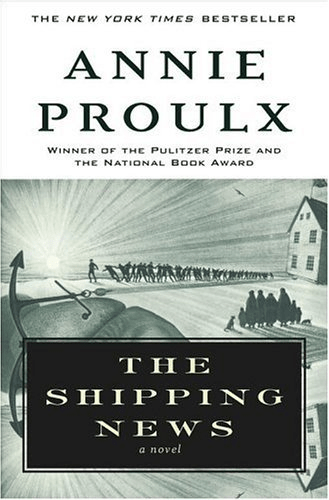
The Shipping News by E. Annie Proulx
At thirty-six, Quoyle, a struggling newspaperman, is abruptly shaken from his mundane life when his unfaithful wife meets a tragic end. He moves with his two daughters to his ancestral home on the rugged Newfoundland coast, where a quirky group of locals helps him rebuild his life. As he faces personal demons and the unpredictable forces of nature, Quoyle begins to glimpse the possibility of love free from pain and regret. A darkly comic, magical exploration of family and renewal by E. Annie Proulx.
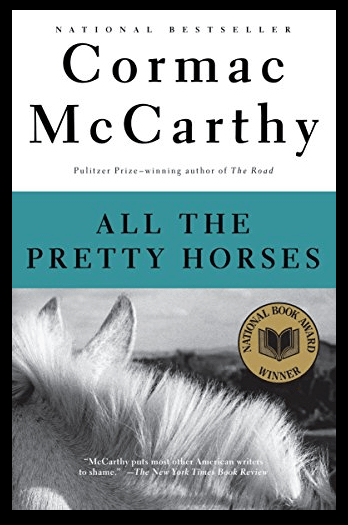
All the Pretty Horses by Cormac McCarthy
Follows sixteen-year-old John Grady Cole, the last of a long line of Texas ranchers, as he embarks on a journey to Mexico in search of a life he can no longer have. With two companions, he faces both the beauty and brutality of the world, where dreams come at a steep cost. Cormac McCarthy’s National Book Award-winning novel is the first in his Border Trilogy.
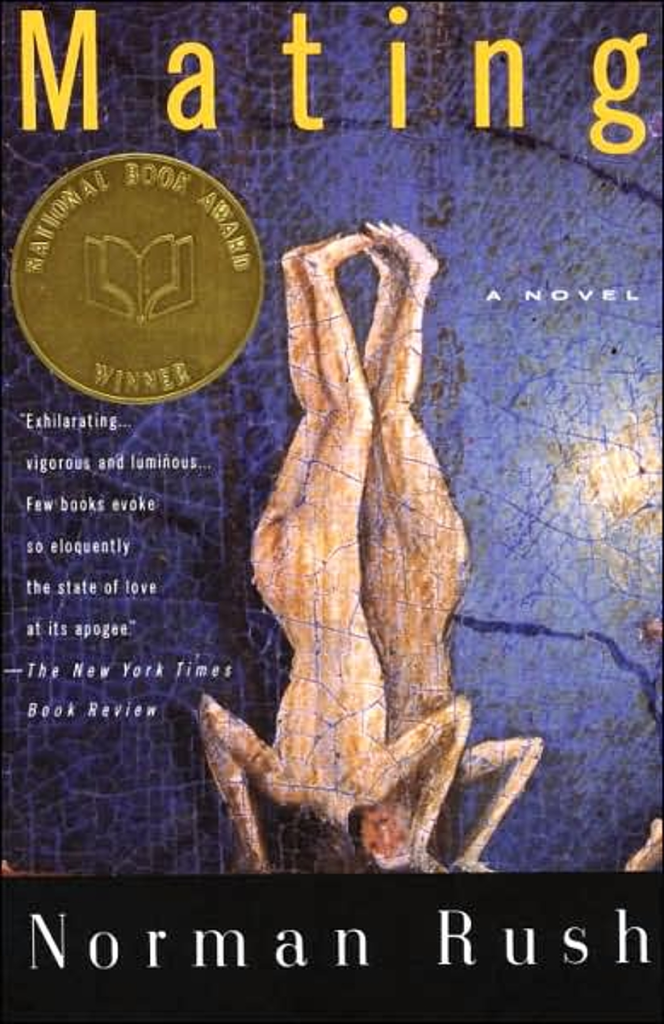
Mating by Norman Rush
An American anthropologist in Botswana embarks on a journey to unravel the mysteries of a utopian society founded by the enigmatic Nelson Denoon. As she navigates her academic frustrations, personal desires, and the complexities of gender and society, the novel unfolds as a witty exploration of love, intellect, and the human quest for a meaningful existence.
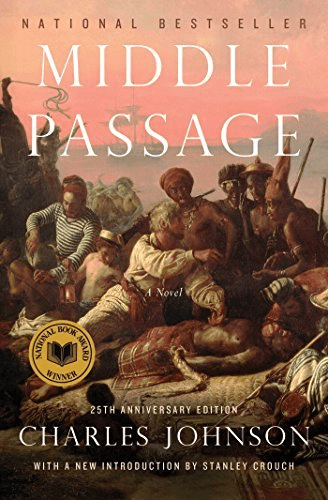
Middle Passage by Charles Johnson
Rutherford Calhoun, a newly freed slave and charming rogue, flees from debt collectors and an unwanted marriage by boarding a slave ship bound for Africa. What follows is a harrowing journey of self-discovery and survival, as Calhoun navigates the horrors of the voyage and encounters unforgettable characters. Blending history, romance, and philosophical depth, this novel explores themes of freedom, identity, and the human spirit.
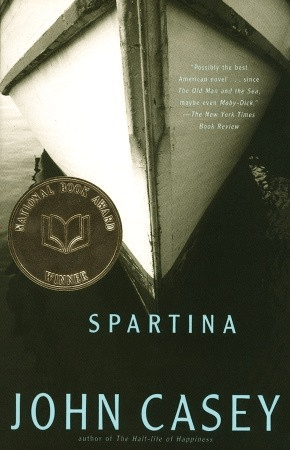
Spartina by John Casey
Tells the poignant story of Dick Pierce, a commercial fisherman in Rhode Island, struggling to make a living after his work on the sea fades. With a passion for a half-finished fishing boat, Spartina, he takes dangerous risks to complete her, ultimately facing a storm at sea that will test his resolve. A lyrical and compassionate tale, it explores themes of ambition, family, and finding one’s place in the world.
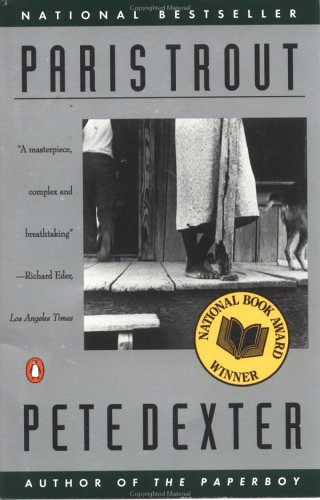
Paris Trout by Pete Dexter
Set in post-World War II Georgia, Paris Trout is a social drama centered on the murder of a black girl by a white storekeeper, Paris Trout. The trial that follows exposes deep racial and class divisions, as Trout’s indifference to the crime highlights the ugliness of prejudice, forcing the town to confront its uncomfortable truths. Dexter’s novel explores the stark realities of social and racial tensions in a small Southern town.
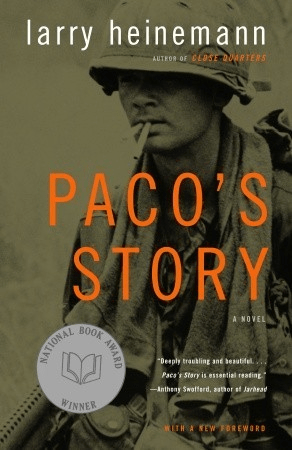
Paco’s Story by Larry Heinemann
Follows Paco Sullivan, the sole survivor of a brutal Viet Cong attack on Fire Base Harriette. After being rescued, he returns to the U.S. with shattered limbs, struggling with the trauma of war. The novel explores the deep emotional and physical scars left by violence, as Paco battles to find peace and purpose in a world that can’t erase the ghostly aftermath of the Vietnam War.
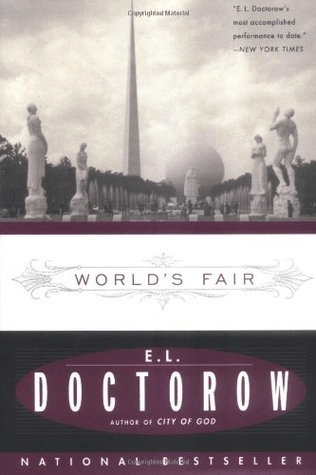
World’s Fair by E.L. Doctorow
This novel captures the life of a young boy in 1930s New York City, immersing readers in the sights, sounds, and emotions of an era where families were close-knit, and the streets felt safe. Set against the backdrop of the 1939 World’s Fair, it paints a vivid picture of a generation’s hopes and dreams, culminating in this iconic event.
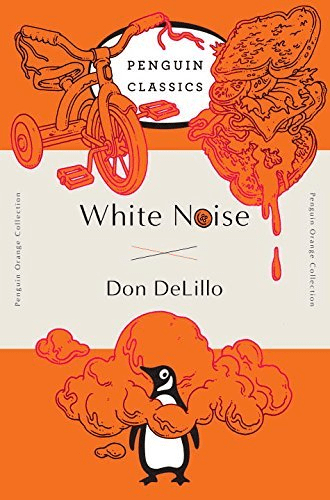
White Noise by Don DeLillo
Follows Jack Gladney, his wife Babette, and their children as they navigate modern family life amid the constant hum of consumer culture. When a toxic chemical cloud from an industrial accident threatens their town, it becomes a stark symbol of the unseen, ever-present “white noise” of technology and media that surrounds them.
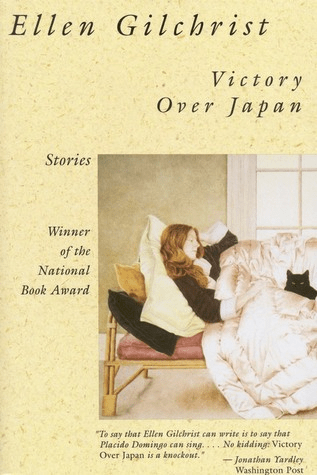
Victory Over Japan: A Book of Stories by Ellen Gilchrist
Fourteen stories center on a group of Southern women searching for happiness and self-worth through bars, marriages, divorces, art, drugs, relationships, and even earthquakes.
The Collected Stories of Eudora Welty by Eudora Welty
This collection brings together all of Eudora Welty’s published stories, including two previously uncollected ones. Though set in varied locations, her stories reflect a deeply Southern sensibility and a keen understanding of ordinary lives. Welty reveals the extraordinary within the everyday, capturing the voices and inner worlds of a wide range of characters with remarkable insight.
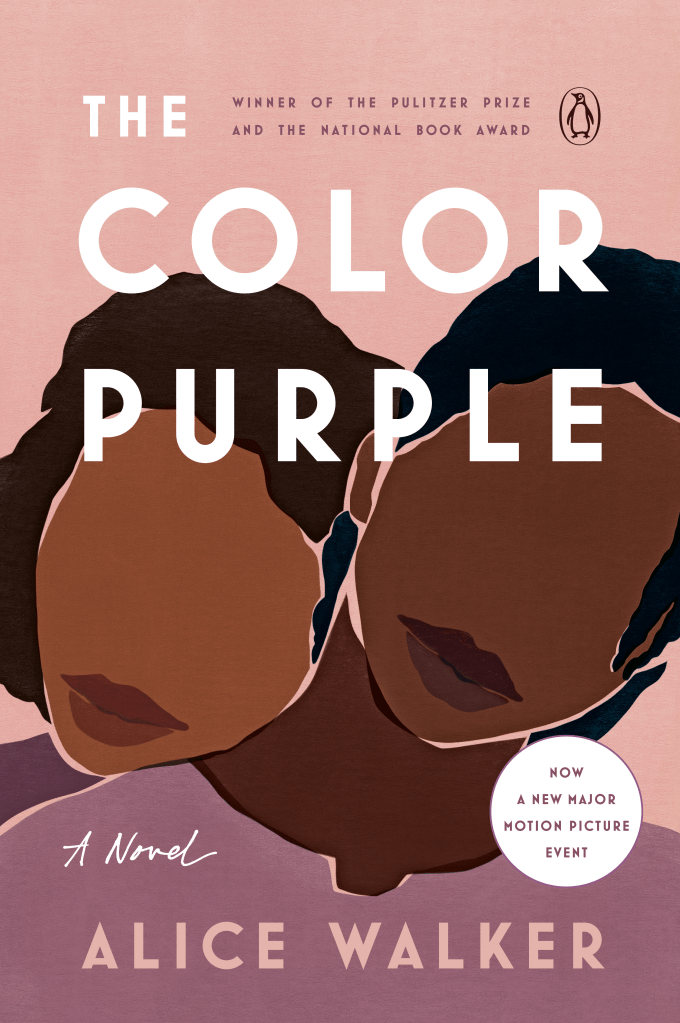
The Color Purple by Alice Walker
Follows the lives of African American women in early 20th-century Georgia, focusing on sisters Celie and Nettie, who remain connected through letters despite years of separation. Through their voices and those of others, the novel explores themes of abuse, resilience, and sisterhood. Alice Walker’s powerful and compassionate narrative is a landmark in modern American literature.
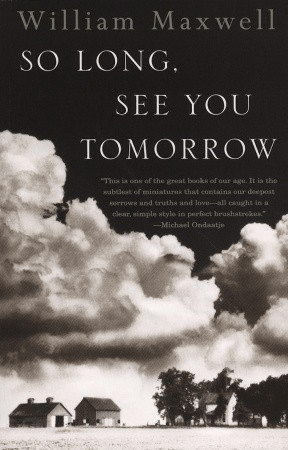
So Long, See You Tomorrow by William Maxwell
In this haunting novel, William Maxwell reflects on memory, loss, and the elusive truth of the past. Set off by a murder in 1920s rural Illinois, the story follows a man’s attempt—fifty years later—to piece together the events that destroyed his childhood friendship. Blending recollection and imagination, Maxwell crafts a poignant meditation on youth and the lasting impact of trauma.
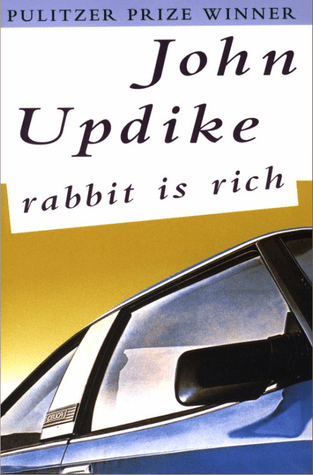
Rabbit is Rich by John Updike
Harry Angstrom is thriving as the Chief Sales Representative at Springer Motors. While the world around him seems to be unraveling, Harry’s life feels stable—until his son returns from out West and a ghost from his romantic past reappears on his lot.
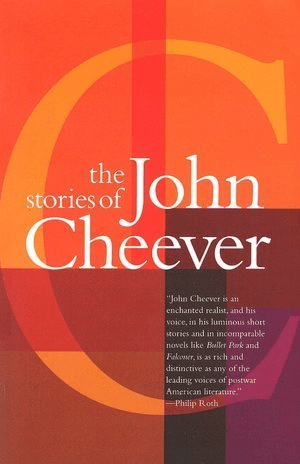
The Stories of John Cheever by John Cheever
This collection of sixty-one stories captures the experiences of “the greatest generation,” from the awe and disillusionment of city life to the quiet revelations of suburbia. Through tales like The Enormous Radio, The Housebreaker of Shady Hill, and The Swimmer, Cheever explores the deep complexities and quiet beauty of everyday life.
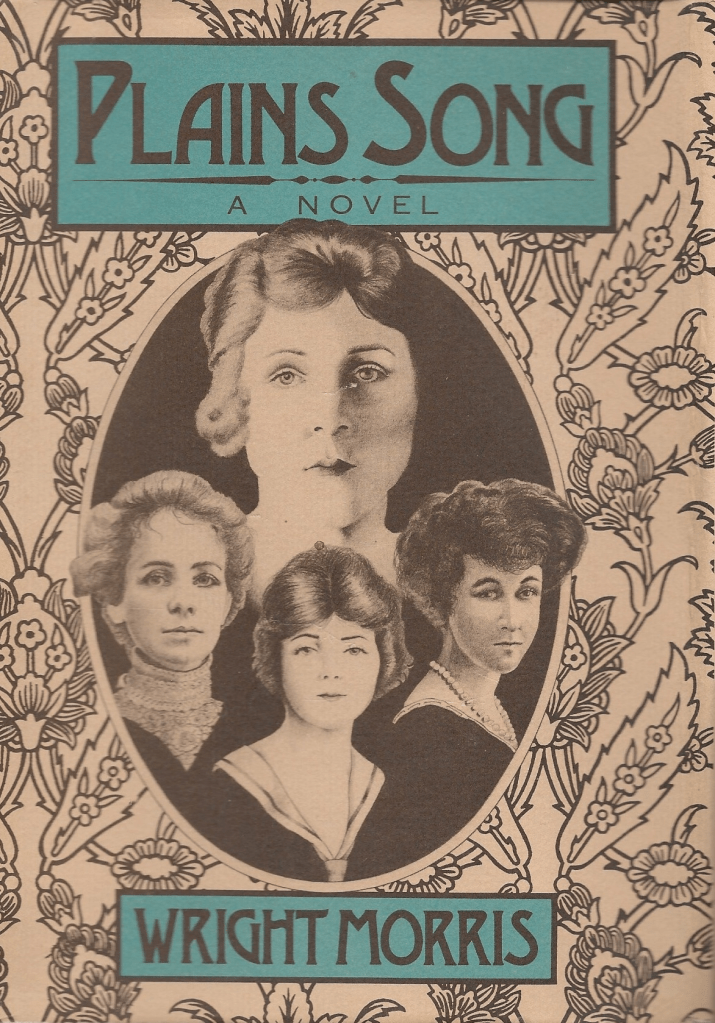
Plains Song: For Female Voices by Wright Morris
At the center of this multigenerational saga is Cora, a determined Midwesterner, as the story traces the lives of the Atkins family—especially its women—from the early 1900s through the 1970s.
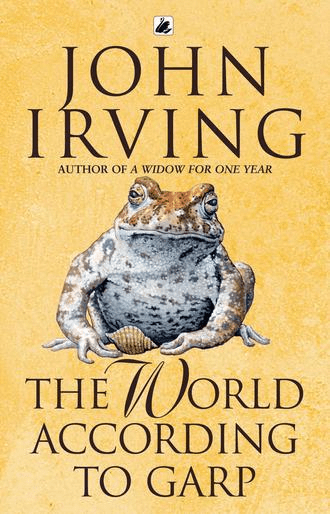
The World According to Garp by John Irving
Follows the life of T.S. Garp, the eccentric son of feminist icon Jenny Fields, as they navigate a world marked by sexual extremes and tragic absurdities. Blending dark events with outrageous humor, the novel explores life’s unpredictability with both sorrow and wit. Its enduring appeal lies in its bold, comedic take on the human condition: “we are all terminal cases.”
Sophie’s Choice by William Styron
Follows Stingo, an aspiring writer, and his complex relationship with Sophie, a Holocaust survivor, and Nathan, her brilliant but unstable lover. As their lives intertwine, devastating secrets emerge, changing them all forever. With poetic depth and emotional intensity, the novel explores humanity’s capacity for both good and evil.
Going After Cacciato by Tim O’Brien
Blending reality and fantasy, Going After Cacciato follows a young soldier who abandons the Vietnam War to embark on a surreal journey from Indochina to Paris. More than a war novel, it explores the inner battles of fear and courage faced by every individual.
Blood Tie by Mary Lee Settle
Beginning with an accidental death and ending in murder, this novel follows a group of American and European expatriates living in an ancient Turkish city. As their lives intertwine, hidden motives and misunderstandings unravel the peace of their Aegean refuge, leading to chaos and conflict.
The Spectator Bird by Wallace Stegner
This powerful novel follows Joe Allston, a retired literary agent who views his life as largely passive and unfulfilled. Living in seclusion with his wife, Joe is jolted by a postcard that sends him revisiting a past journey to his mother’s homeland. As he reflects through old journals, buried memories resurface, revealing a deeper engagement with life than he ever admitted.
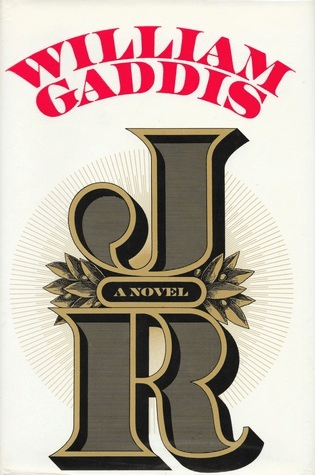
JR by William Gaddis
Gaddis’s wild, satirical masterpiece about capitalism, chaos, and the illusion of control, centered on an enterprising sixth-grader who builds a sprawling paper empire from a school payphone. As J R manipulates a world where everything has a price, Gaddis paints a cacophonous portrait of American greed and ambition through overlapping voices and absurdly real scenarios. This dizzying, darkly comic novel is a brilliant exploration of how business and bureaucracy entangle and consume human lives.
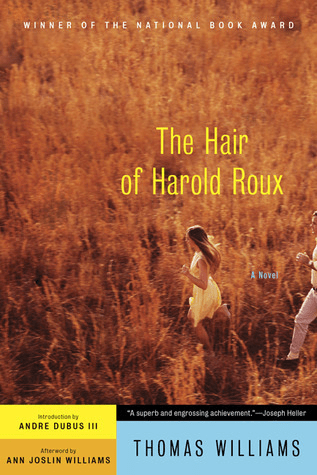
The Hair of Harold Roux by Thomas Williams
A brilliantly layered novel-within-a-novel that follows college professor Aaron Benham as he struggles to write a semi-autobiographical book about his student days. Blending past and present, reality and fiction, the story explores themes of love, rivalry, memory, and the personal myths we create to make sense of our lives. Hailed as a forgotten masterpiece, it’s a rich, introspective meditation on storytelling itself.

Dog Soldiers by Robert Stone
Follows John Converse, a disillusioned journalist in 1970s Saigon, who gets entangled in a drug deal hoping for quick profit. When the plan unravels back in the U.S., he’s caught in a deadly web of corruption, violence, and betrayal. Robert Stone’s gritty novel captures the dark undercurrents of post-Vietnam America, where survival comes at a steep cost.
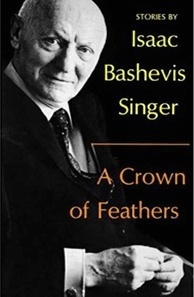
A Crown of Feathers and Other Stories by Isaac Bashevis Singer
A 1973 collection by Isaac Bashevis Singer featuring 24 Yiddish tales exploring Jewish life, mysticism, exile, and identity, many set in prewar Poland or immigrant America. Translated by Singer and others, the stories blend wit, melancholy, and moral complexity.
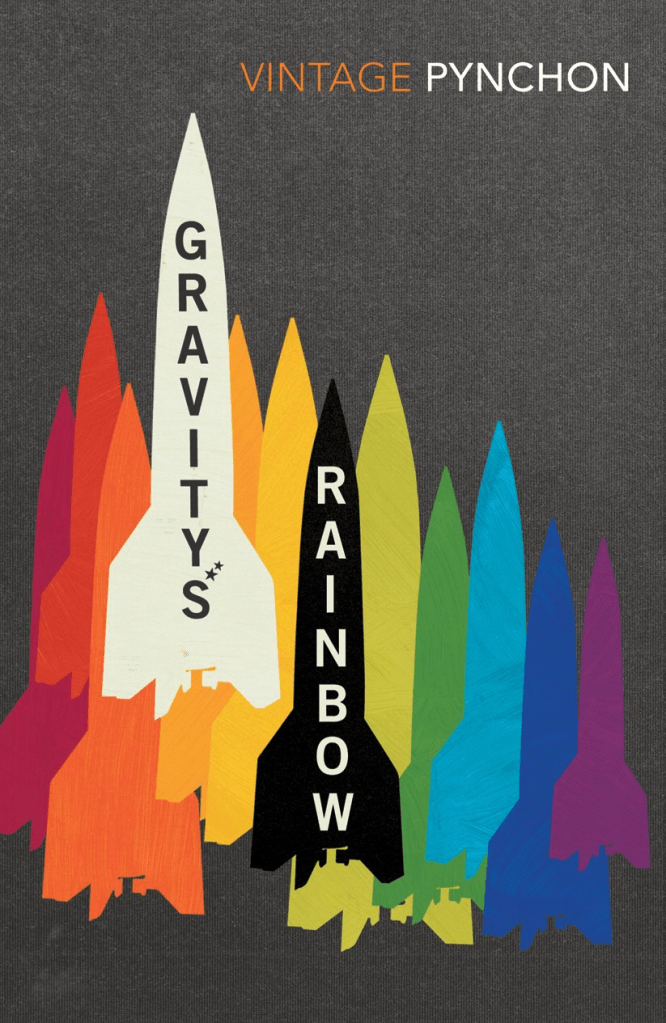
Gravity’s Rainbow by Thomas Pynchon
A surreal, sprawling epic set in 1944 Europe, following Tyrone Slothrop, whose bizarre connection between rocket strikes and his sexual encounters defies logic and explanation. Blending science, paranoia, war, and absurdity, the novel plunges readers into a chaotic, hallucinatory world where meaning constantly shifts. Thomas Pynchon’s masterpiece remains a mind-bending, genre-defying exploration of power, technology, and the human psyche.
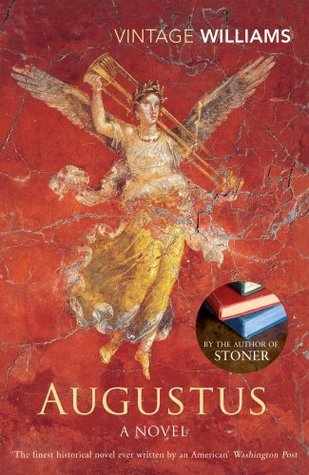
Augustus by John Williams
A masterful epistolary portrait of Rome’s first emperor, tracing his rise from frail youth to ruthless ruler. Through letters and documents, Williams brings to life the political intrigue, personal sacrifice, and calculated ambition that defined Augustus’s reign. It’s a bold, elegant reimagining of ancient history by a writer at the height of his craft.
Chimera by John Barth
In this imaginative retelling, three timeless myths are re-envisioned with a modern twist. Dunyazade, sister of the famed Scheherazade, seizes control of her own fate; Perseus grapples with midlife struggles far removed from his heroic past; and Bellerophon, once triumphant with Pegasus, faces the burden of an unfulfilling peace. Barth blends myth and modernity to explore identity, purpose, and the fading glow of glory.
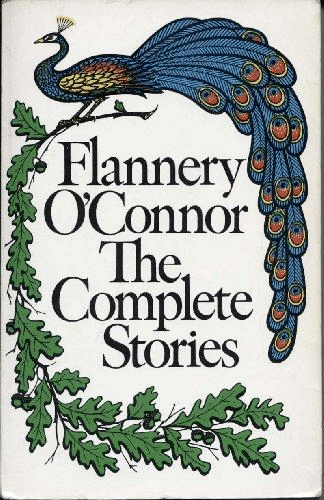
The Complete Stories by Flannery O’Connor
This landmark collection showcases the full power of one of America’s most haunting literary voices. With thirty-one stories—twelve previously uncollected in her lifetime—it traces the evolution of her Southern Gothic style, her razor-sharp moral vision, and her darkly comic sense of grace and violence. From her first story, The Geranium, to her final, Judgement Day, the volume captures a profound journey through faith, sin, and the grotesque in the American South.
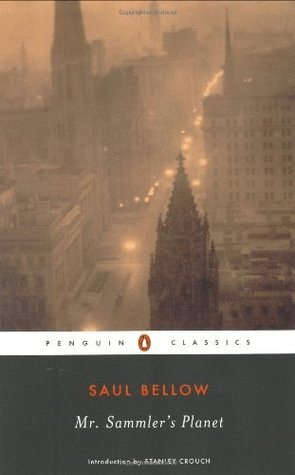
Mr. Sammler’s Planet by Saul Bellow
A profound, deeply introspective novel about a Holocaust survivor grappling with modernity in 1960s New York. Artur Sammler, with his weary wisdom and singular perspective, reflects on a society bursting with technological hope yet riddled with moral confusion. As he navigates the chaos of urban life and the burden of memory, Sammler comes to believe that true dignity lies in fulfilling one’s moral obligations—doing what is “required.” It’s a masterful exploration of civilization, responsibility, and the quiet heroism of living ethically.
Them by Joyce Carol Oates
A haunting and visceral portrait of American urban life, centered on a struggling Detroit family from the Great Depression through the 1967 race riots. Oates weaves a powerful narrative of Loretta Wendall and her children, Jules and Maureen, exploring how poverty, violence, and hope shape their fates. With raw emotional depth and a sharp eye for class and racial tensions, them is a masterwork of social realism and psychological insight.
Steps by Jerzy Kosinski
A provocative and unsettling novel that dives deep into the psyche of a man navigating a world where power, sex, and identity are dangerously intertwined. Known for his haunting explorations of alienation, Kosinski once again blurs the lines between victim and perpetrator, desire and detachment, in a narrative that critiques modern society’s erosion of individuality and emotional connection. The book is as much a psychological study as it is a cultural commentary, rendered in Kosinski’s signature spare, intense prose.
The Eighth Day by Thornton Wilder
A sweeping, philosophical novel that blends suspense with meditations on fate, justice, and the resilience of the human spirit. Set in a small Illinois mining town, it centers on a murder that shatters two families and the unexpected escape of the accused, John Ashley, just before his execution. Wilder uses this dramatic premise to explore larger existential questions, crafting what many consider his most ambitious and profound work.
The Fixer by Bernard Malamud
A powerful historical novel inspired by the real-life case of Menahem Mendel Beilis, a Jew in Tsarist Russia wrongly accused of ritual murder. Set against the backdrop of deeply rooted anti-Semitism in 1911 Kiev, it follows Yakov Bok, a poor handyman who is unjustly arrested and imprisoned. Despite brutal interrogations and solitary confinement, he stands firm in his refusal to confess. Malamud explores themes of injustice, identity, and human dignity with intense moral clarity. The novel won both the Pulitzer Prize and the National Book Award.
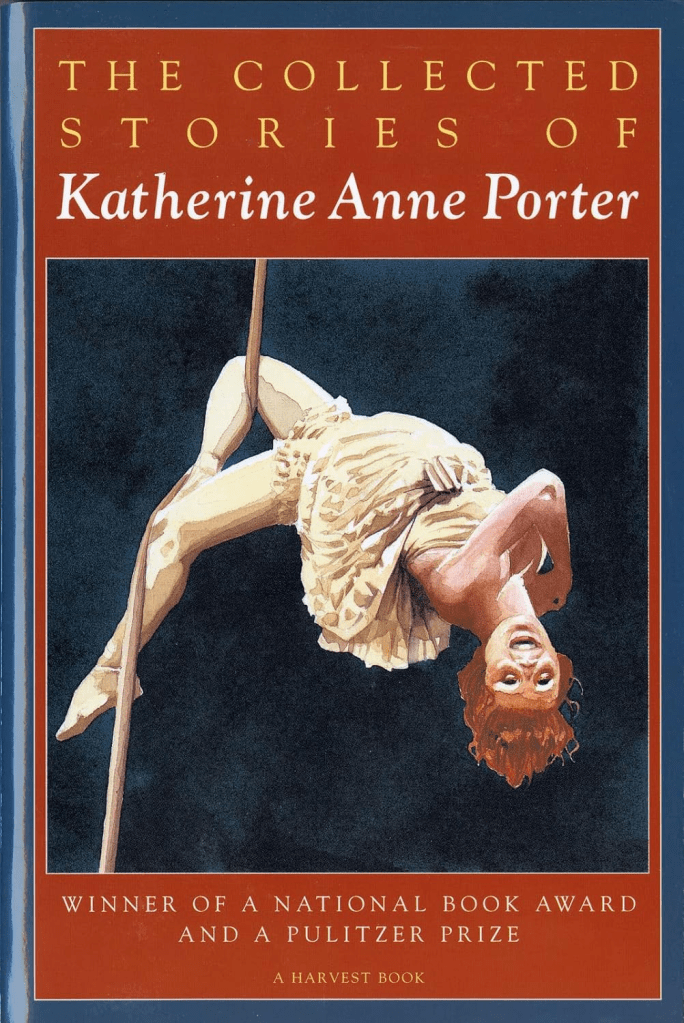
The Collected Stories of Katherine Anne Porter
A masterful anthology showcasing the brilliance of one of America’s finest short story writers. While her novel Ship of Fools gained widespread attention, it’s these stories that solidified her literary legacy. The volume includes Flowering Judas, Pale Horse, Pale Rider, and The Leaning Tower, plus four additional stories, covering themes of mortality, memory, disillusionment, and the moral complexities of life. Porter’s prose is sharp, lyrical, and psychologically rich, often rooted in her Southern background and personal history.
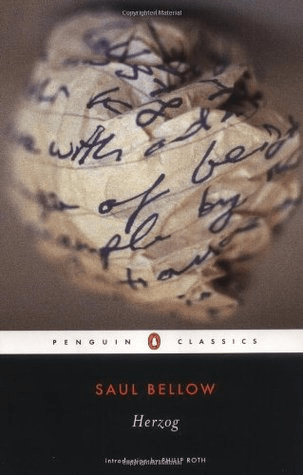
Herzog by Saul Bellow
Follows Moses Herzog, a failed writer and teacher whose personal life is unraveling. Despite his losses, he sees himself as a survivor and copes by writing unsent letters to friends, enemies, and public figures, revealing his sharp insights and emotional turmoil.
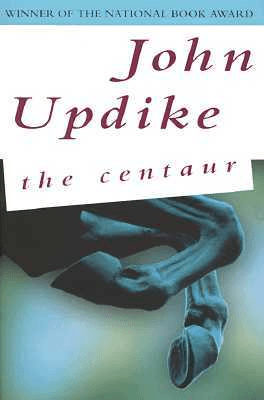
The Centaur by John Updike
Modern retelling of the Chiron myth, set in a 1947 Pennsylvania town where science teacher George Caldwell stands in for the wounded centaur and his son Peter for Prometheus. Blending Greek mythology with personal memory, Updike explores the tensions between a struggling father and his gifted son.
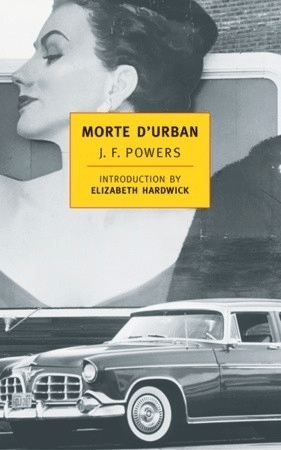
Morte d’Urban by JF Powers
The hero of J.F. Powers’s comic masterpiece is Father Urban, a worldly and charismatic priest with grand ambitions who is banished to a retreat house in rural Minnesota. There, he energetically spreads God’s word across golf courses and backyard barbecues, but his greatest triumph ultimately leads to a downfall he cannot escape.
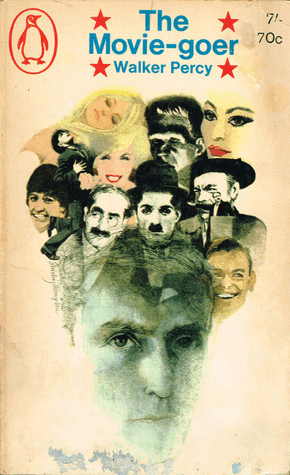
The Moviegoer by Walker Percy
This elegantly written novel follows Binx Bolling, a cinephile and restless seeker, as he searches for meaning through hedonism and morality, ultimately finding hope in a leap of faith. A classic of postwar existentialism, it is both profound and unexpectedly funny.
The Waters of Kronos by Conrad Richter
First published in 1960, The Waters of Kronos follows John Donner’s return to his submerged hometown, echoing Conrad Richter’s own life journey. Moving beyond semi-autobiography, Richter crafts a haunting meditation on family, memory, and the shaping power of art.
Goodbye, Columbus by Philip Roth
In Philip Roth’s first book, Neil Klugman and Brenda Patimkin fall into a summer romance shaped as much by class tensions and cultural assimilation as by love.
The Magic Barrel by Bernard Malamud
Captures the immigrant experience through vivid, often magical stories set in New York and Italy. Blending urban realism, Yiddish idiom, and artistic flair, it stands as a high point of the modern American short story, portraying struggle and heartbreak with rare delight and artistry.
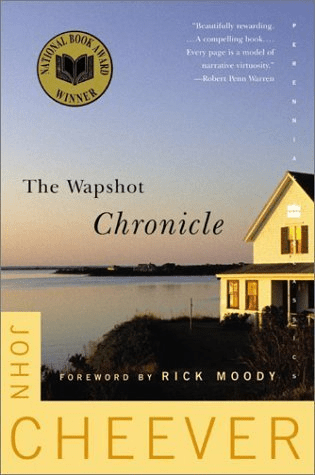
The Wapshot Chronicle by John Cheever
Cheever tells the tragicomic, picaresque story of the Wapshot family—Captain Leander and his sons, Moses and Coverly—drawing partly from his New England youth. Richly evocative and often ribald, the novel stands in the tradition of Trollope, Dickens, and Henry James.
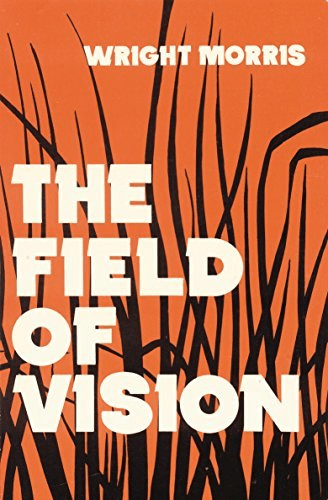
The Field of Vision by Wright Morris
Set in the 1950s, The Field of Vision follows Walter McKee’s reunion with his drifting old friend Gordon Boyd in Mexico, stirring regrets and desires in both their lives. Through humor and poignancy, Wright Morris contrasts McKee’s stable but stagnant existence with Boyd’s chaotic freedom, exploring memory, identity, and the elusive search for fulfillment.
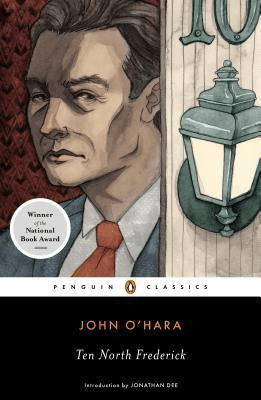
Ten North Frederick by John O’Hara
A daughter recalls her father Joe Chapin’s seemingly perfect life, revealing a man trapped by a loveless marriage, failed ambitions, and a secret affair. With sharp wit and insight, John O’Hara exposes the personal and political hypocrisies of mid-century America.
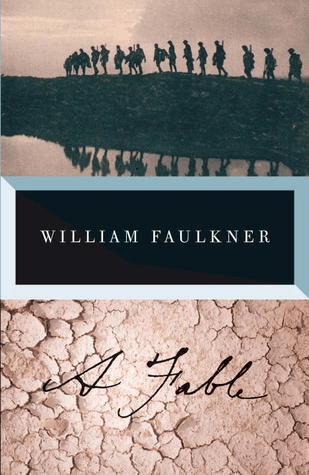
A Fable by William Faulkner
This World War I novel, set amid a French regiment’s mutiny, was once seen as a departure for Faulkner but is now recognized as a major work. Praised for its powerful war scenes and allegorical depth, it remains essential to Faulkner’s legacy.
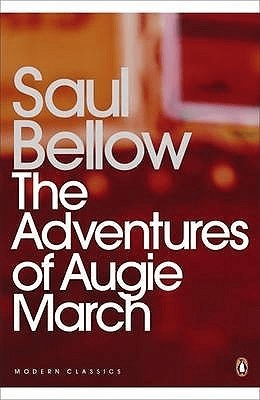
The Adventures of Augie March by Saul Bellow
A penniless Chicago boy drifts through a string of odd jobs during the Great Depression, easily shaped by those around him until a fateful encounter with the adventurous Thea. As a modern Everyman, Augie embarks on a vibrant, richly detailed quest for identity and purpose.
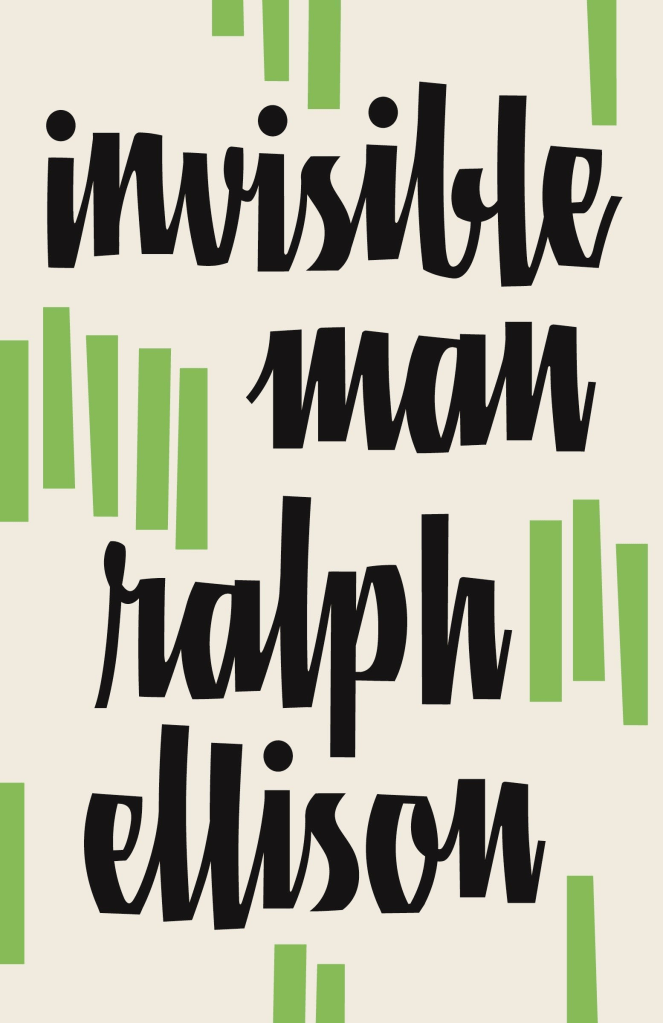
Invisible Man by Ralph Ellison
Ellison’s groundbreaking novel about a nameless Black protagonist’s journey from the Deep South to Harlem, exposing the brutal realities of racism and identity. Hailed as a masterpiece, it redefined American literature with its audacious storytelling, sardonic voice, and vivid depiction of a divided society.
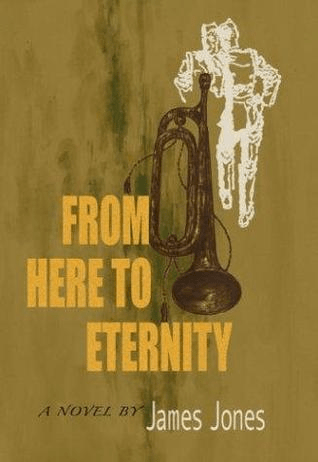
From Here to Eternity by James Jones
Set in Hawaii in 1941, From Here to Eternity follows Pvt. Robert E. Lee Prewitt and Sgt. Milt Warden as they grapple with loyalty, love, and brutal Army life on the eve of World War II. James Jones’s powerful novel captures the honor, violence, and despair of soldiers bound by unspoken codes, creating a landmark work of American literature.
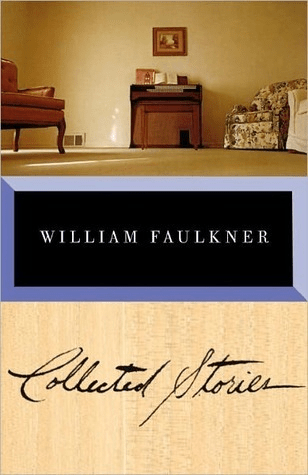
Collected Stories of William Faulkner
This collection of forty-two stories showcases William Faulkner’s mastery of compressed, powerful narratives that explore history, place, and the full range of human emotion. Set in Yoknapatawpha County, Beverly Hills, and World War I France, these stories feature unforgettable characters and the epic depth of Faulkner’s greatest work.
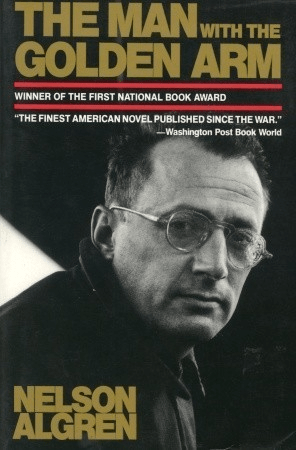
The Man with the Golden Arm by Nelson Algren
A novel of exceptional brilliance, The Man with the Golden Arm follows Frankie Machine, a card-dealing WWII veteran, as he gradually destroys himself, piece by piece. For Frankie, even committing murder might be the least of his troubles.
 List Kitty
Leave a comment